
Things to Eat, Drink, & Do In Venice

As one of the most iconic Italian cities, Venice feels like stepping into a dream. Built on water and woven together by canals instead of roads, Venice offers some of the best things for every traveler: romance, history, art, and unforgettable food moments.

When we designed our Soul Sisters Italy trip, Venice was one of the stops I was most excited about. Milan is vibrant and energetic, but Venice is something else entirely. It’s slower, more romantic, and every corner feels like a movie set.
This post is both a travel guide and a look at what we actually did. So whether you’re planning a quick overnight stay, a long weekend, or adding Venice to a bigger Italy itinerary, this Venice guide has you covered.
Table of contents
Our Soul Sisters Venice Experience
Venice is magical at night and early in the morning. The key is staying in the historic center so you can experience it before and after the day-trippers arrive. Here’s how we did Venice in two unforgettable days:
- Day 1: Arrival by high-speed train from Milan, venetian water taxi to our hotel, sunset walk through the quiet back canals, dinner near Campo Santa Margherita, and our first spritz along the water.
- Day 2: Early morning in Piazza San Marco before the crowds, guided tour of Doge’s Palace, cicchetti crawl near the Rialto Bridge, and a golden-hour gondola ride through the Grand Canal.


Recommended Apps
- Google Lens – Perfect for translating menus, especially when you’re staring at a seafood-heavy Venetian menu.
- Google Maps – Essential in Venice, where streets twist and dead-end at canals.
- Viator – Great for booking skip-the-line tours for major attractions.
- Trenitalia – Helpful for booking trains to and from Venice Santa Lucia station.
- Whatsapp – Many local guides communicate this way.
Must-See Main Attractions in Venice
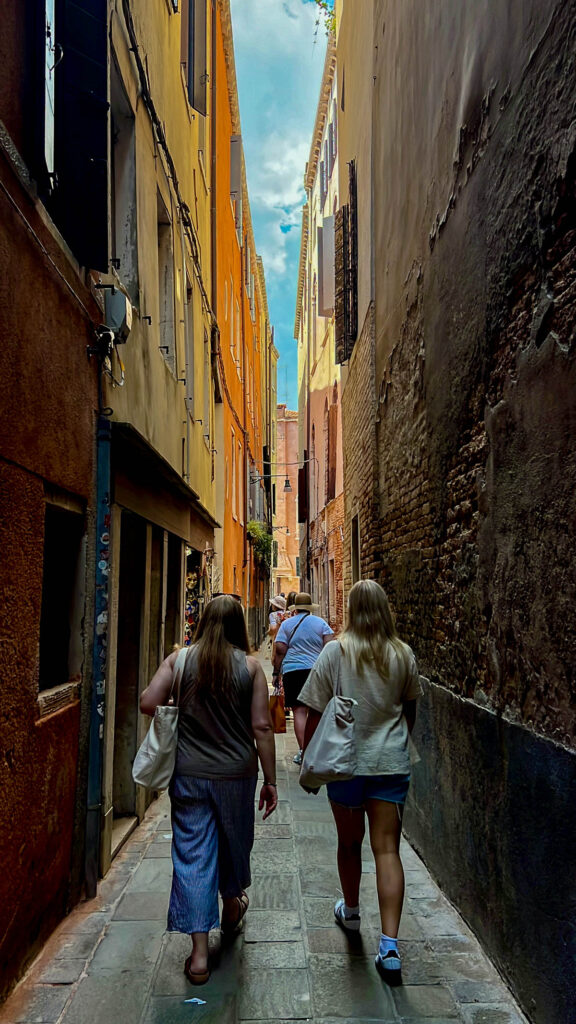
You can walk or take a water taxi to pretty much anywhere you need to go in Venice. One of my favorite things to do was to just wander. Getting lost down long alleyways and climbing beautiful bridges to small communities was unforgettable. Don’t worry, if you get lots, google maps works quite well.
1. Piazza San Marco
St. Mark’s Square is the most famous space in Venice and honestly feels like an open-air museum. Everywhere you look, there’s something historic, ornate, or just beautifully Venetian. Here’s what you’ll see when you’re standing in the square:

2. St. Mark’s Basilica
St. Mark’s Basilica is the glittering heart of Venice and one of the most extraordinary churches in Italy. Its gold mosaics, Byzantine domes, and intricate marble details reflect centuries of wealth and global influence from the Venetian Republic. Originally built in the 9th century to house the relics of St. Mark, the basilica blends Eastern and Western architectural styles in a way that feels completely unique. Step inside and the interior glows with more than 8,000 square meters of shimmering mosaics, making it feel less like a church and more like a golden masterpiece.


3. St Mark’s Campanile
St Mark’s Campanile is the iconic red-brick bell tower rising above Piazza San Marco in Venice, standing nearly 323 feet tall. Originally built in the 9th century and rebuilt in 1912 after collapsing in 1902, it has long served as a watchtower and symbol of the city. Today, visitors can take an elevator to the top for sweeping views of Venice’s rooftops, the lagoon, and the surrounding islands.


4. Doge’s Palace
Doge’s Palace is a masterpiece of Venetian Gothic architecture in Piazza San Marco that once served as the residence of the Doge and the center of political power in the Republic of Venice. With its delicate pink and white marble façade and richly decorated interiors, it reflects the wealth and influence of Venice at its height. Today, visitors can explore grand council chambers, ornate staircases, and the historic route that leads across the Bridge of Sighs.


5. Libreria Marciana
Libreria Marciana, also known as the Biblioteca Nazionale Marciana, is one of the most important libraries in Italy and a Renaissance architectural gem overlooking Piazza San Marco. Designed in the 16th century by Jacopo Sansovino, the building reflects Venice’s golden age of art and scholarship. Inside, it houses priceless manuscripts, classical texts, and works by some of the greatest thinkers of antiquity, all beneath richly decorated ceilings that celebrate the city’s intellectual and cultural legacy.


6. Clock Tower (Torre dell’Orologio)
The Clock Tower, known as Torre dell’Orologio, stands at the entrance to the Merceria in Piazza San Marco and has been marking time in Venice since 1499. Its striking blue and gold astronomical clock displays the time, phases of the moon, and zodiac signs, reflecting the city’s fascination with science and navigation. Above the clock face, two bronze figures known as the Moors strike the bell, while the winged Lion of St. Mark sits proudly below, making the tower one of the most recognizable symbols of Venice.

7. Rialto Bridge
Rialto Bridge is the most famous bridge in Venice and spans the Grand Canal in one dramatic stone arch. It’s been the commercial heart of the city for centuries, connecting busy neighborhoods and offering one of the best canal views in Venice. Climb to the top for sweeping views of boats drifting below, or explore the tiny shops built into the bridge itself. Sunset here is especially magical.


8. Rialto Market
Just steps from Rialto Bridge, the Rialto Market is where locals still shop for seafood and seasonal produce. Early in the morning, fishmongers display the day’s catch while vendors arrange colorful fruits and vegetables. It’s one of the best places to experience authentic daily Venetian life and see the ingredients that define the city’s cuisine.


9. Grand Canal
The Grand Canal is Venice’s main waterway and functions like the city’s central highway. Lined with centuries-old palaces, it curves dramatically through the heart of Venice. One of the best ways to experience it is by vaporetto, the city’s public water bus. Sitting near the front feels like taking a slow-moving architecture tour past Renaissance and Gothic masterpieces.


10. Gondola Ride
A gondola ride may feel touristy, but it’s also one of the most iconic Venetian experiences. Gliding through narrow side canals gives you a perspective you simply can’t get on foot. The quiet moments away from the main waterways are surprisingly peaceful. For the most romantic atmosphere, book your gondola ride in the early evening as the light softens.

11. Visit Murano
Murano is a short vaporetto ride from Venice and is world-famous for glassmaking. Visiting a glass workshop to watch artisans shape molten glass is fascinating and uniquely Venetian. The island itself is quieter than central Venice and makes for a peaceful half-day trip.
Murano is a small island in the Venetian Lagoon famous around the world for its centuries-old glassmaking tradition. Since the 13th century, master artisans have crafted intricate chandeliers, delicate figurines, and vibrant blown-glass art that became a symbol of Venetian luxury and innovation. Today, visitors can wander along its quieter canals, tour glass factories, and explore the Glass Museum while experiencing a more relaxed and authentic side of Venice.


12. Visit Burano
Burano feels like stepping into a painting. Known for its brightly colored houses and lace-making tradition, it’s one of the most photogenic spots in the Venetian lagoon. Every street feels cheerful and vibrant, and it’s a wonderful contrast to Venice’s muted stone palette.


Traditional & Local Things To Try
No Venice itinerary is complete without tasting its local specialties. Venice is deeply influenced by the sea and centuries of global trade, and trying these dishes is one of the best things to do in the city.
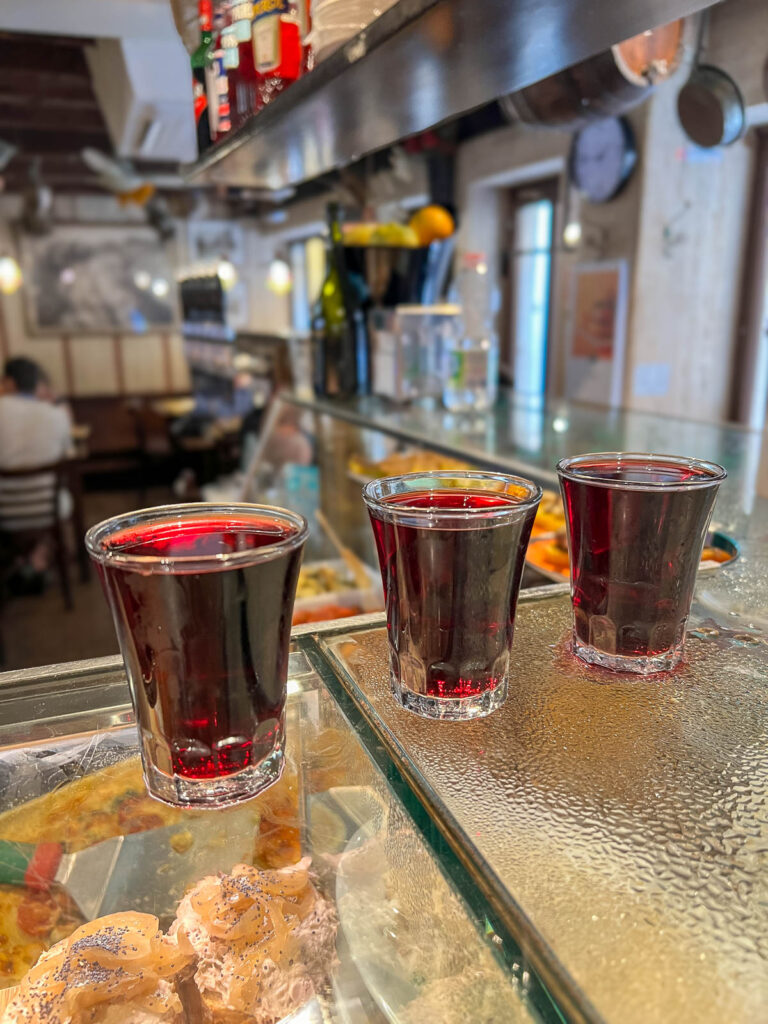
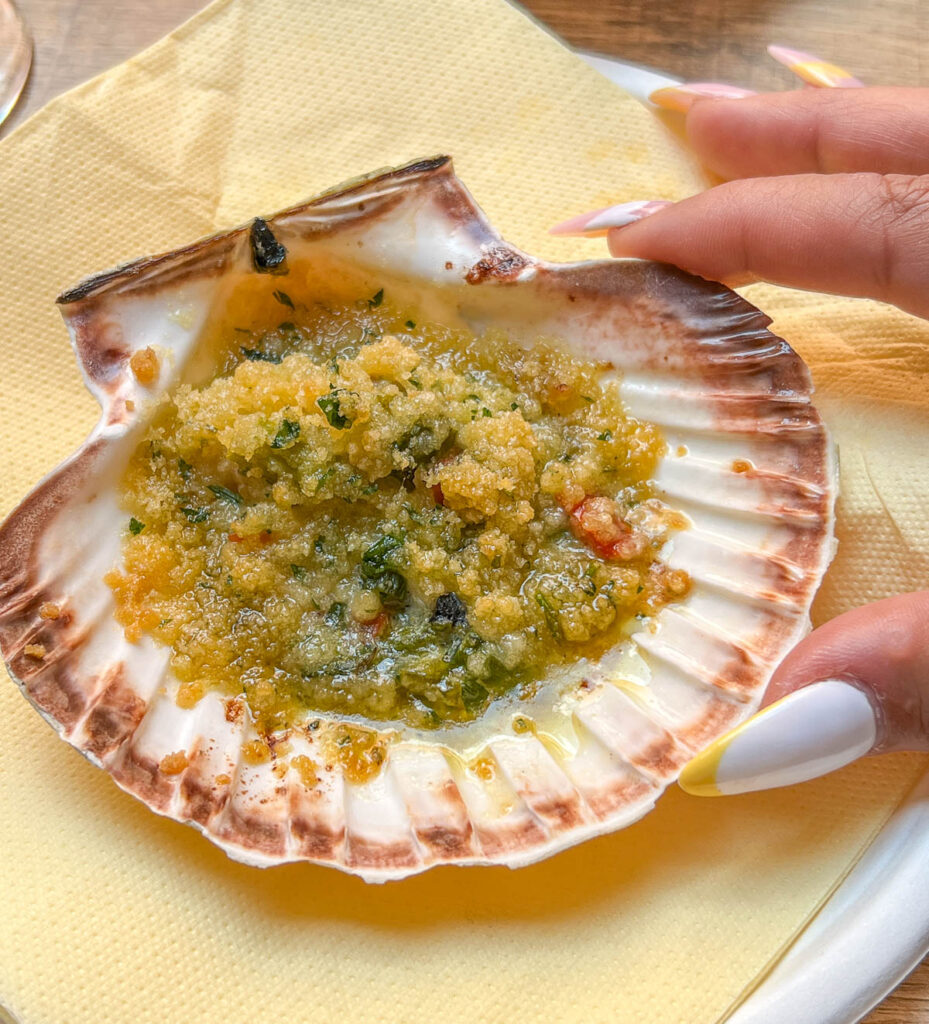
- Cicchetti – Venice’s version of tapas, served in small wine bars called bacari. Expect crostini topped with salt cod, marinated seafood, cured meats, and seasonal vegetables. Order a few and stand at the bar like a local.
- Sarde in saor – A traditional Venetian dish of sardines marinated with onions, vinegar, raisins, and pine nuts. The sweet-and-sour flavor reflects Venice’s historic spice trade routes.
- Risotto al nero di seppia – Creamy risotto made with cuttlefish ink, giving it a dramatic black color and rich, briny flavor that tastes like the lagoon itself.
- Fritto misto – Lightly fried seafood, often including shrimp, calamari, and small fish, served in a paper cone for easy snacking while wandering the canals.
- Spritz – Whether you order Aperol, Campari, or the local favorite Select, enjoying a spritz along a canal at golden hour is practically a Venetian ritual.
- Mozzarella in Carrozza – Classic Venetian street food where mozzarella (often sandwiched between bread with anchovies or ham), dipped in batter and fried until golden and bubbling. Venetians usually enjoy it as an afternoon snack or cicchetto (small bite) with a glass of wine.
Famous Spots To Eat & Drink
Famous restaurants, classic Venetian spots, cocktail bars, and gelato — all places people actively seek out or rave about
Suso Gelatoteca
Probably the most famous gelato in Venice and absolutely an Instagram favorite. Located near Rialto, Suso is known for creative flavors like Crema del Doge and perfectly swirled pistachio. Expect a line — it moves fast, and it’s worth it.


Ristorante Quadri
A Michelin-starred restaurant overlooking Piazza San Marco. This is the splurge dinner spot — refined Venetian cuisine, elegant interior, and a view that’s hard to beat. If someone wants a once-in-a-lifetime Venice dinner, this is it.


Osteria alle Testiere
Tiny, seafood-focused, and wildly loved by foodies. This is one of the most talked-about authentic Venetian restaurants online. The menu changes daily depending on the catch, and reservations are essential.


Cantina Aziende Agricole
A Rialto favorite for cicchetti and wine. Always buzzing, always packed, and a staple on almost every Venice food guide. Great stop for a standing aperitivo crawl.


Skyline Rooftop Bar
One of the most Instagrammed cocktail views in Venice. Located on Giudecca, it offers sunset views over the lagoon and skyline. If someone wants the “Venice but make it chic” experience, this is the spot.


Caffè Florian
Established in 1720, this is one of the oldest cafés in the world and an iconic Venice experience. Yes, it’s expensive. Yes, it’s touristy. But sitting under the arcades of St. Mark’s Square with live music is unforgettable.


Getting Around Venice
Venice is unlike any other city in Italy because there are no cars, no buses, and no traffic lights — just canals, bridges, and boats. The main transportation system is the vaporetto, Venice’s public water bus, which runs along the Grand Canal and out to islands like Murano and Burano.
If you’re arriving by train, you’ll step out of Venezia Santa Lucia railway station directly onto the Grand Canal — and that first view alone feels cinematic.
Water taxis are faster and more private but come at a premium. Most of the time, though, the best way to explore Venice is simply on foot. Getting lost in narrow alleys, crossing tiny bridges, and stumbling onto quiet canals is part of the experience.
Comfortable shoes are essential. Venice is beautiful, but you will walk more than you think.
Final Thoughts
Venice isn’t just a destination — it’s a feeling.
It’s early mornings when the light hits the water just right. It’s wandering with no real plan and finding a tiny bacaro full of locals. It’s watching gondolas glide past as you sip a spritz and realizing there’s nowhere else in the world quite like this.
For us, Venice wasn’t about rushing from landmark to landmark. It was about slowing down. Sharing cicchetti by the canal. Laughing as we got lost in backstreets. Sitting in quiet corners long after the day-trippers had left.
If Milan feels energetic and modern, Venice feels timeless and romantic.
Stay tuned for our full Italy itinerary with affiliate links for hotels, restaurants, and travel guides so you can plan your own unforgettable journey.