10 Days in Southern Africa: Our Itinerary from Victoria Falls to Kruger to Cape Town

This post contains affiliate links. If you book or buy through them, we may earn a small commission at no extra cost to you.
In late July, five of us spent 10 days traveling through four countries in Southern Africa: South Africa, Zambia, Zimbabwe, and Botswana. We started in Johannesburg, stood in the mist at Victoria Falls, went on safari in Chobe and at Kings Camp near Kruger. We finished with a few slow days in Cape Town. After our 10 days in Morocco, this was our biggest group trip yet. Here’s our full Southern Africa itinerary, day by day.
Trip at a Glance: Southern Africa in 10 Days
- Where: Johannesburg and Cape Town, South Africa; Livingstone, Zambia; Victoria Falls, Zimbabwe; Chobe National Park, Botswana; and Kings Camp in the Timbavati Private Nature Reserve, next to Kruger National Park
- Getting there: We flew into Johannesburg, then took short flights to Victoria Falls, to Nelspruit for Kings Camp, and from Hoedspruit to Cape Town
- How long to stay: 10 days felt right for four stops, and you could easily add a few more days in Cape Town
- Best time to go: We went in late July, during the dry winter season, which is a great time for wildlife viewing
- Where we stayed: InterContinental Johannesburg, The Royal Livingstone, Waterbuck Private Camp at Kings Camp, and a private villa in Camps Bay
- Don’t miss: The sunrise safari drives at Kings Camp and the walk along Victoria Falls
- Pack: Neutral layers for safari, warm layers for cold early mornings, comfortable walking shoes, sun protection, and Type M and Type G plug adapters
Jump to: Our Itinerary | Things to Do | Where We Stayed | What to Eat | Getting Around | FAQs | Next Trip
Our 10-Day Southern Africa Itinerary
Day 1: Arrive in Johannesburg
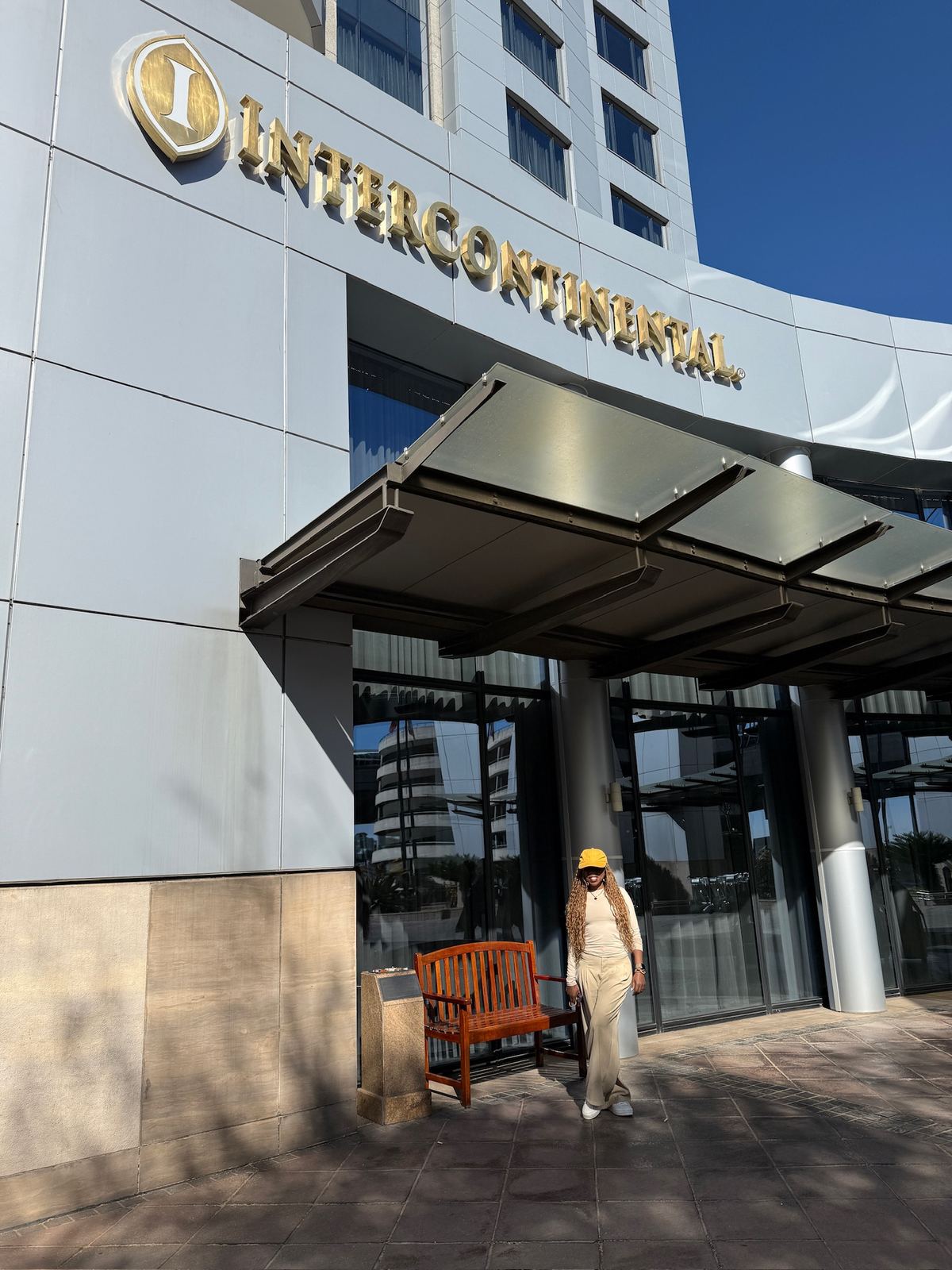
We all flew into Johannesburg and spent the first night at the InterContinental at O.R. Tambo airport, which is just a few minutes’ walk from the terminal. If you land early, put your name down for early check-in and drop your bags.
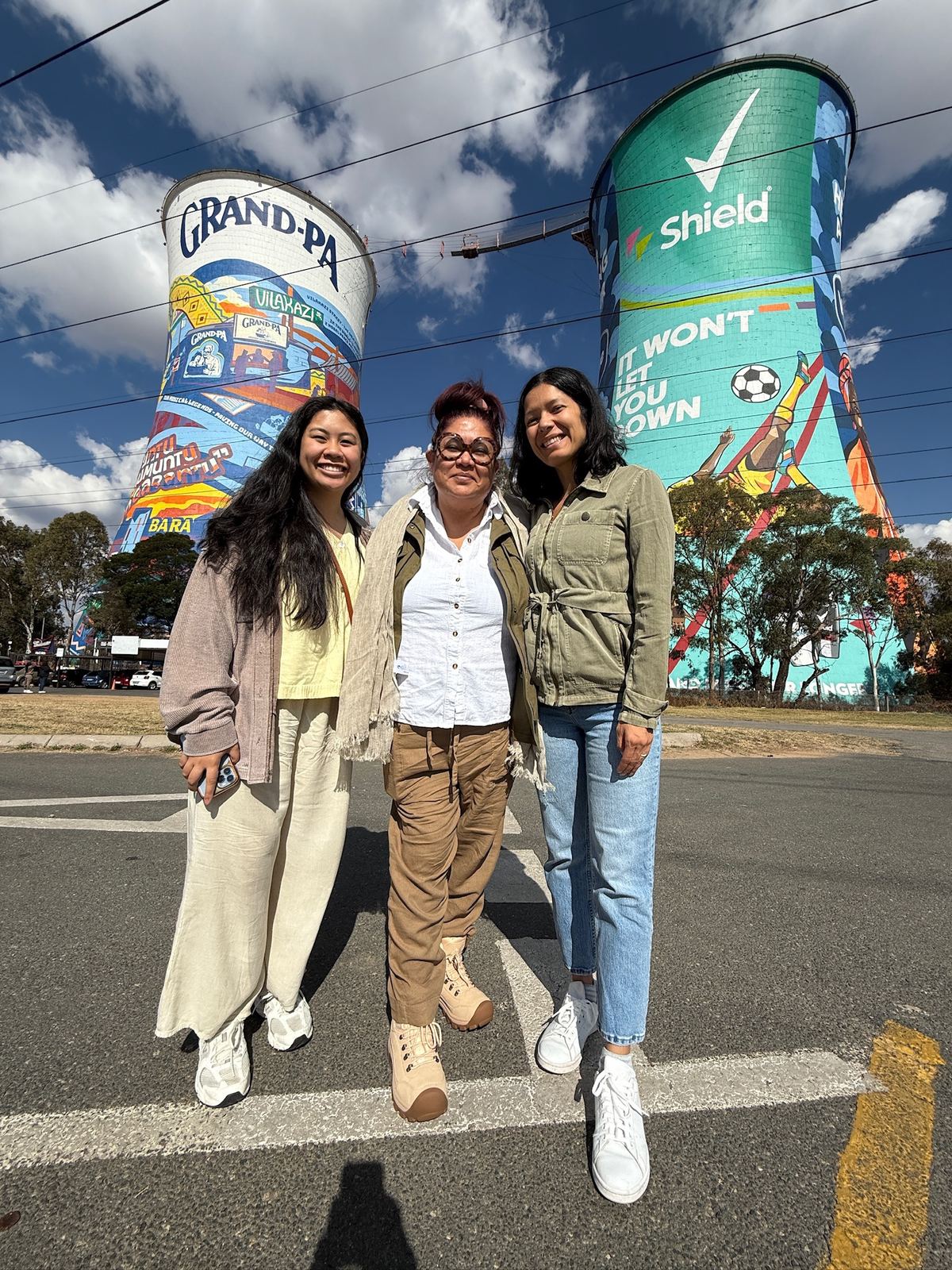
Instead of resting all day, three of us booked a half-day Soweto and Apartheid Museum tour that picked us up at the hotel. In Soweto we stood outside Mandela House, Nelson Mandela’s old home, and saw the painted Orlando Towers. Then we spent the afternoon at the Apartheid Museum. Our tickets were randomly stamped “Whites” or “Non-Whites,” which decided which entrance we walked through. This tour was one of the most special and impactful parts of our entire trip. We really appreciated the opportunity to learn about the sad history of South Africa and what’s going on in local communities today.
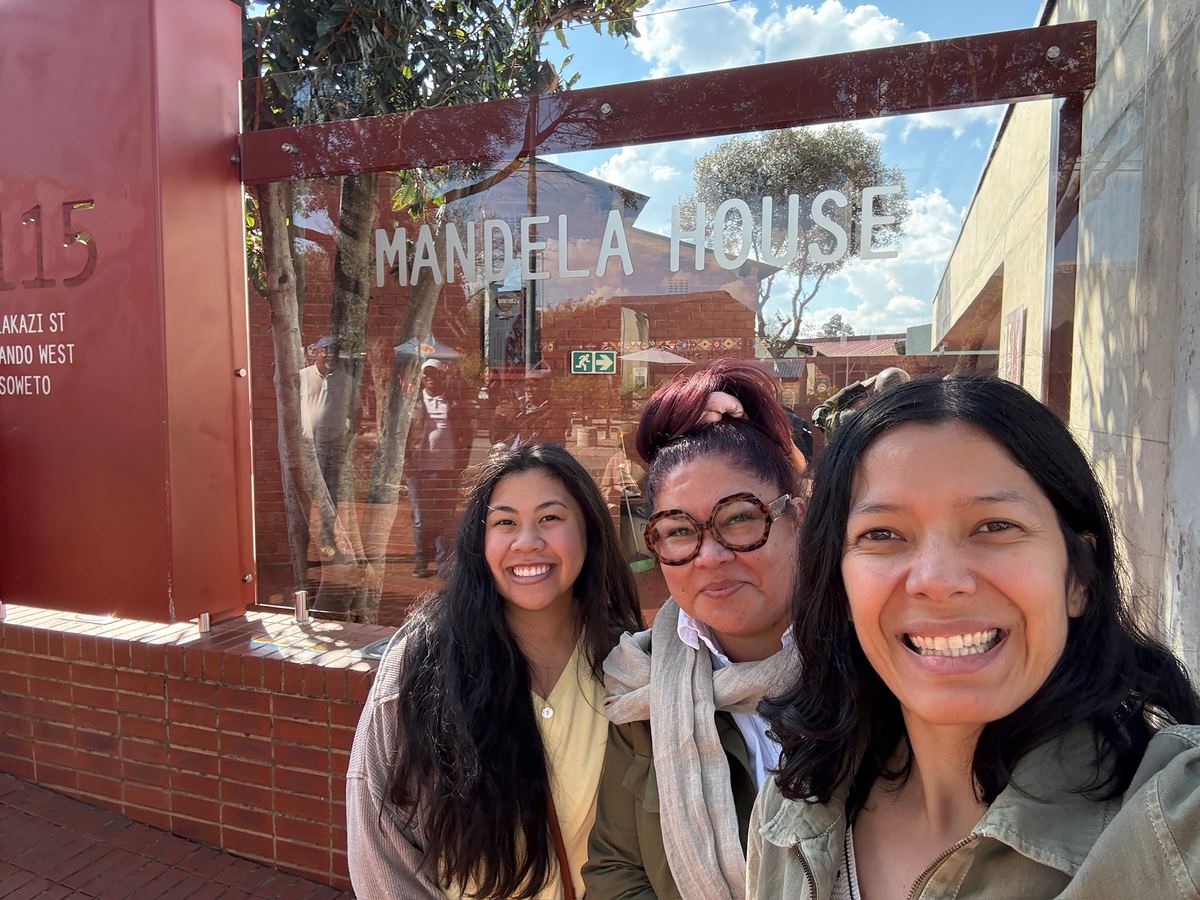
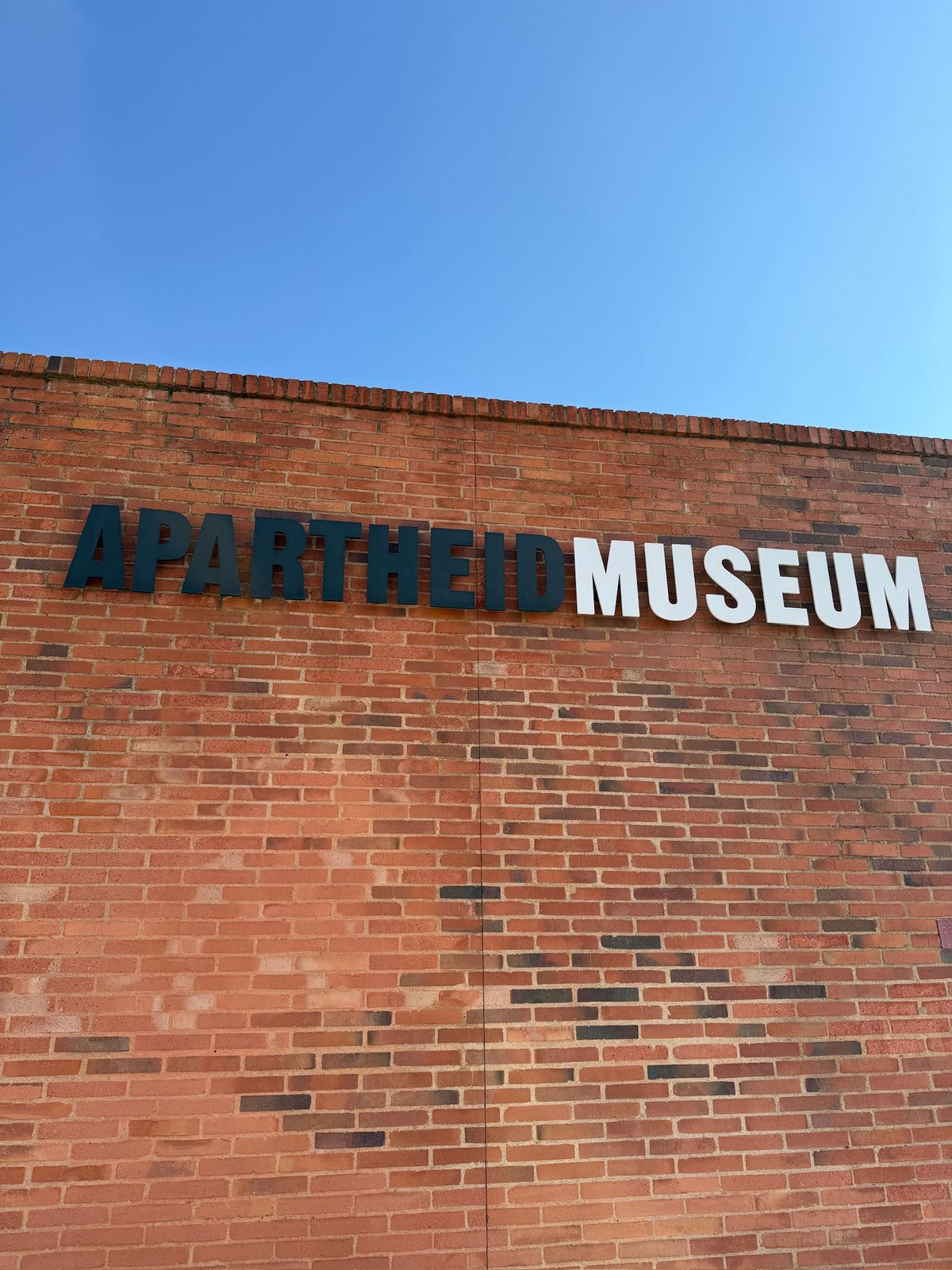
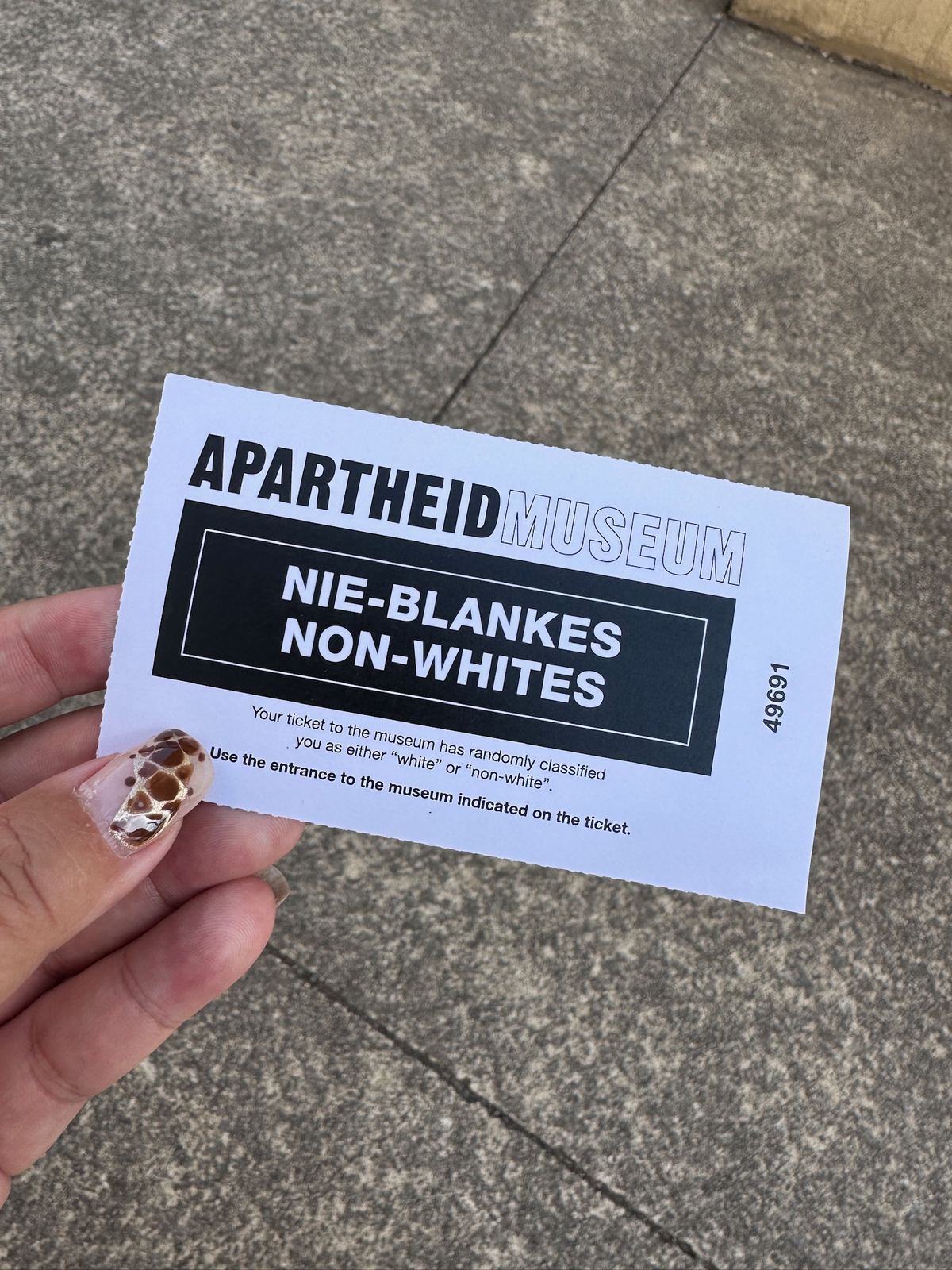
We kept the first night easy with dinner at the hotel restaurant, and I appreciated the vegan options.
Day 2: Fly to Livingstone and cruise the Zambezi at sunset
After breakfast we headed back to the airport for a short direct flight on Safair from Johannesburg to Victoria Falls Airport in Zimbabwe. Getting from the airport to our hotel turned out to be a little tricky. We had no wifi or cell reception at the airport, so we couldn’t call a cab. We ended up going with one of the taxi drivers waiting outside. He drove us to the border, where a Zambian driver he had arranged met us and took us the rest of the way. It all worked out, but I’d recommend arranging your transfer before you get there. The Royal Livingstone sits right on the Zambezi River, and zebras and impala graze on the lawns right outside the rooms.
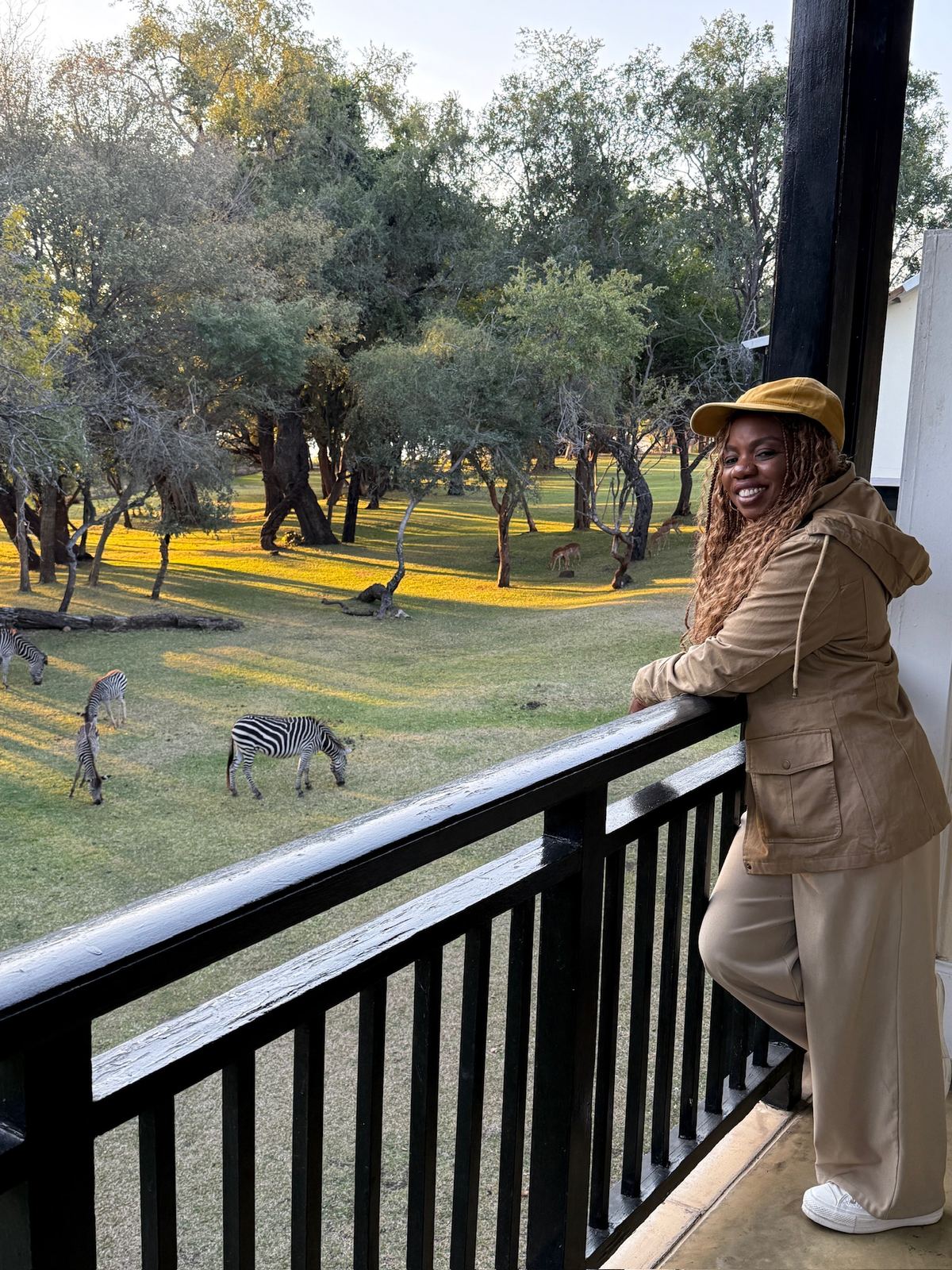
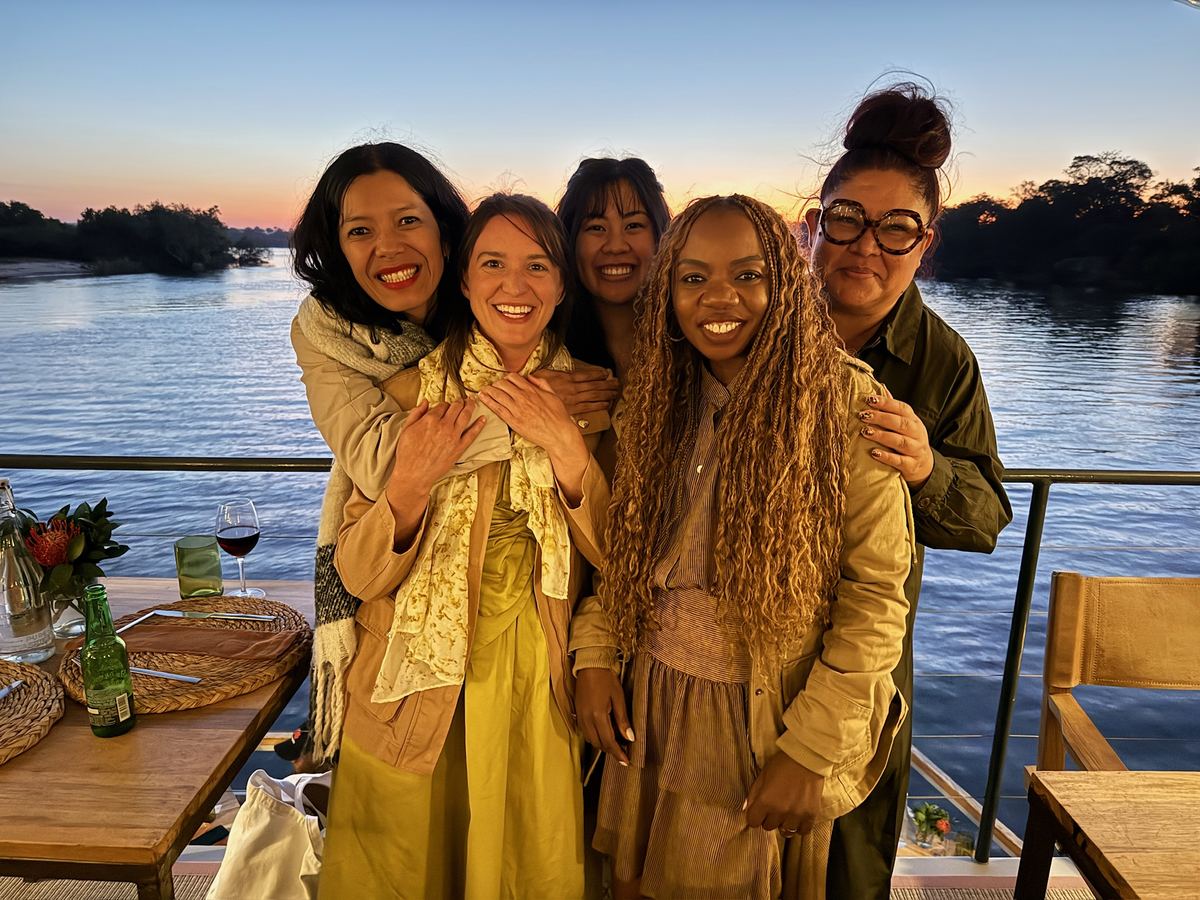
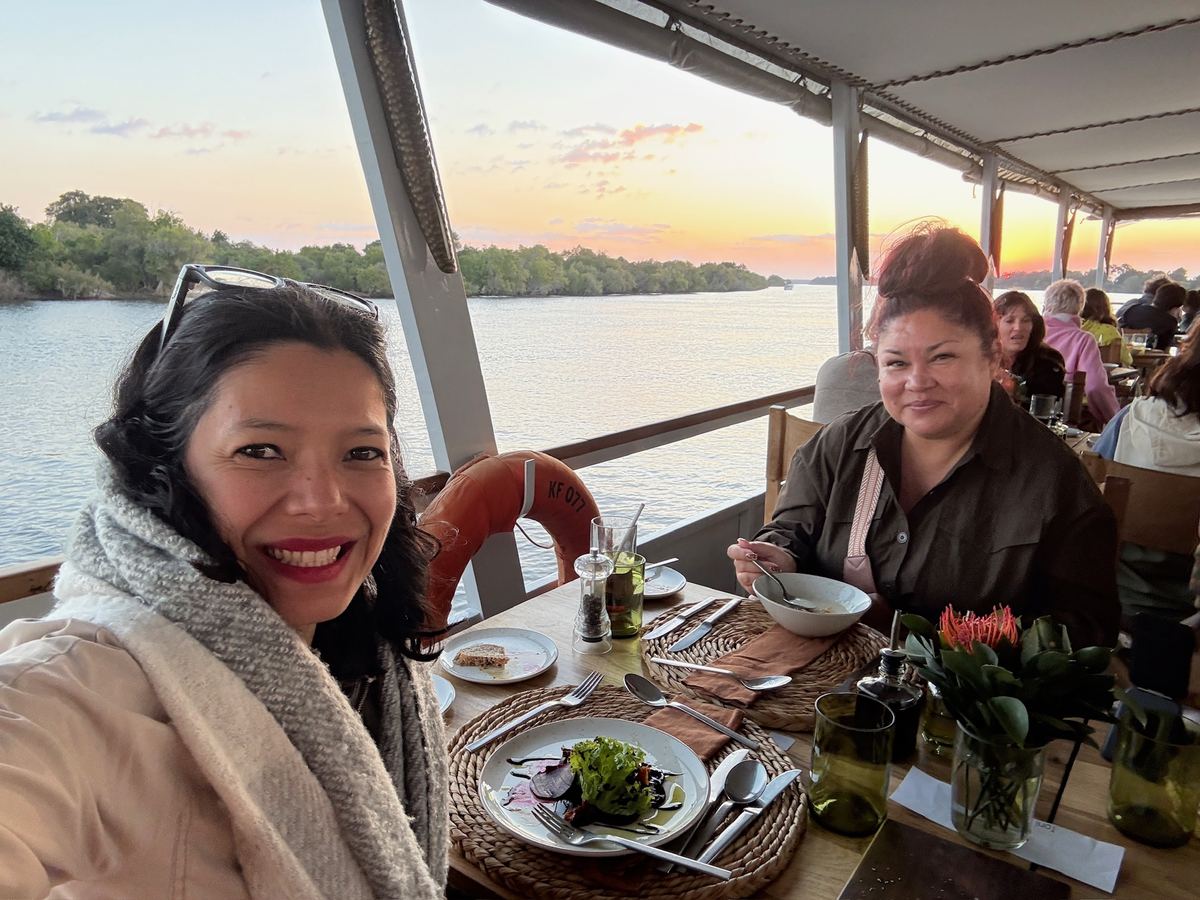
That evening we headed out for our sunset dinner cruise on the Zambezi with Pure Africa: three hours on the river with a four-course dinner. We watched for hippos, crocodiles, and elephants along the banks while the sun went down. It was the perfect way to celebrate the start of the trip. It was so cool to be that close to the hippos, everyone enjoyed the dinner, and the sunset was absolutely magical.
Day 3: Victoria Falls
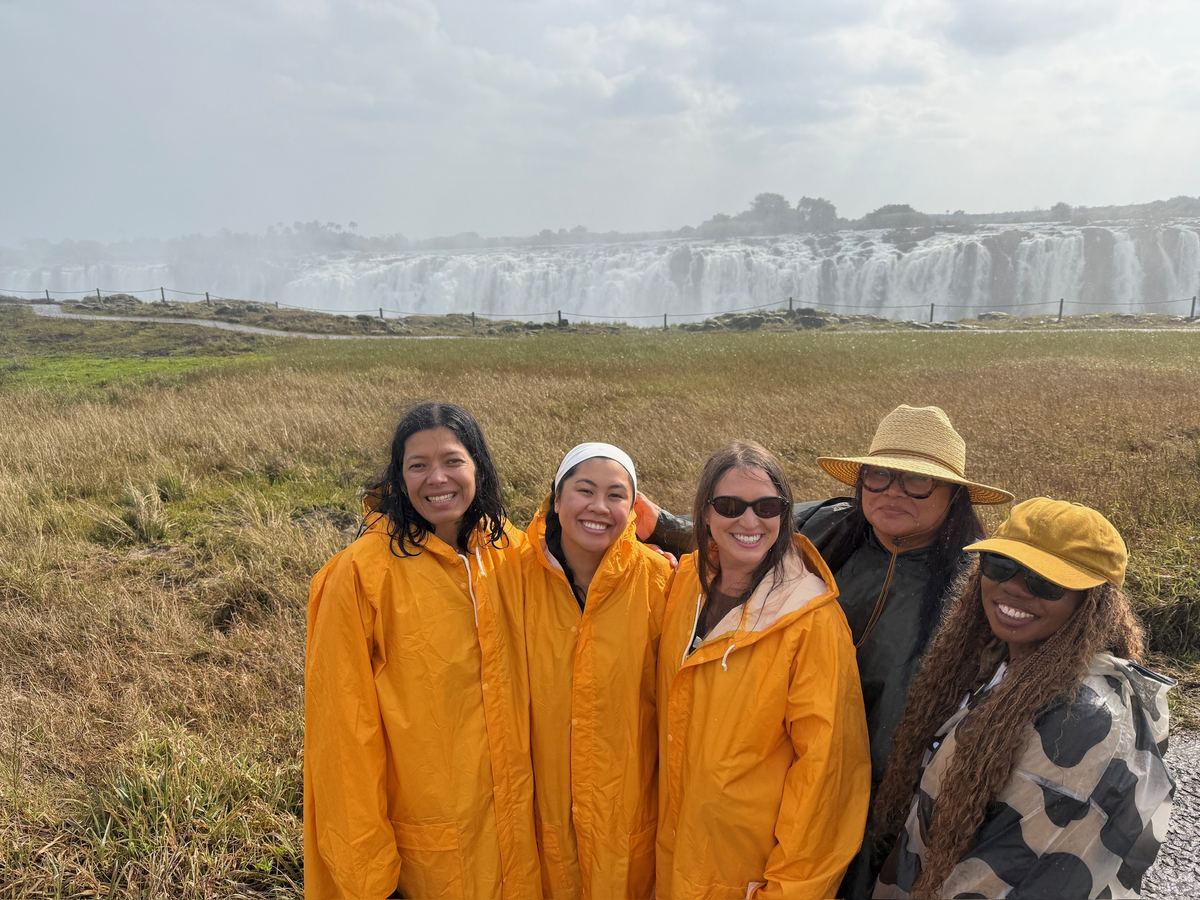
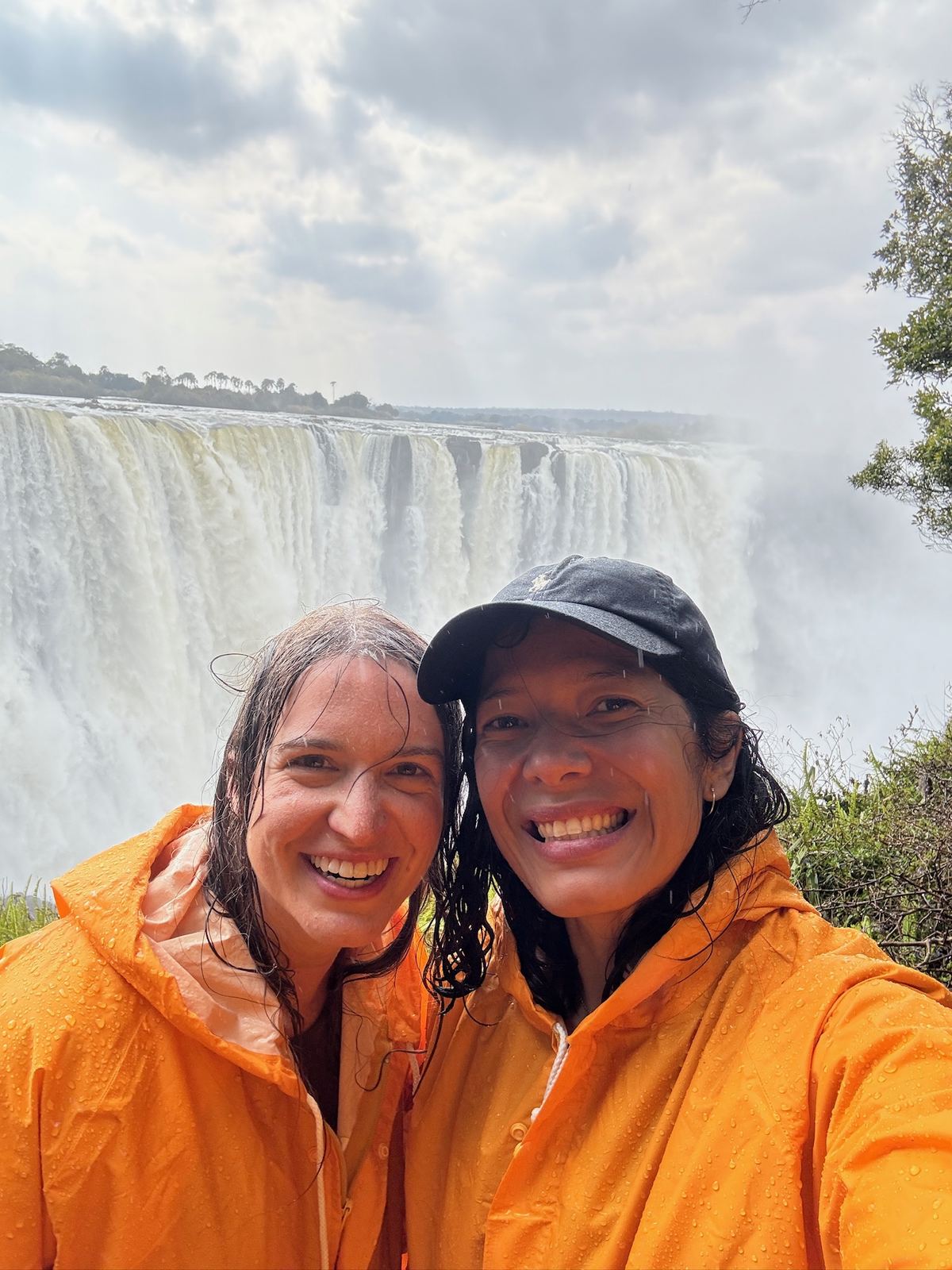
Our guide picked us up in the morning, and this is where things got a little messy. We had booked a guide who told us we’d see the falls from the Zimbabwe side, but there was a miscommunication. The guide who picked us up could only take us on the Zambian side. After we asked for someone else, they dropped us off at the border. From there, Africa Guide Travel & Tours picked us up and took us into Zimbabwe to see Victoria Falls, known locally as Mosi-oa-Tunya, “the smoke that thunders.” The guided walk took about three hours. Along the way, we stopped at viewpoints along the gorge and at the David Livingstone statue. We rented heavy-duty ponchos at the craft market right across from the falls entrance. Thankfully we had them, because the mist soaked the path. Overall, we loved the whole walk, and every viewpoint was unique.
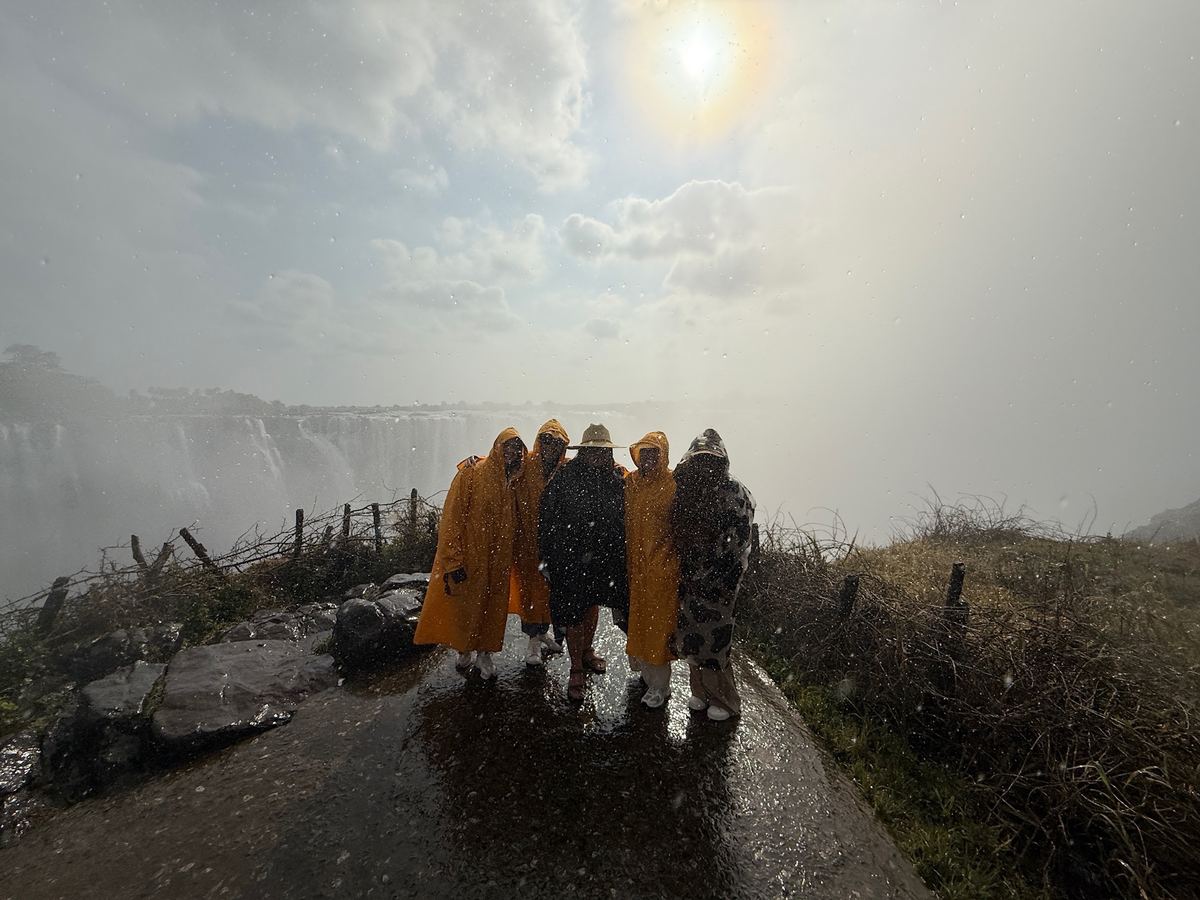
Some of our group left the falls a little early and browsed the market, where dancers in traditional dress were performing. We were back at the hotel by noon and spent the rest of the day relaxing by the river.
Day 4: Day safari in Chobe National Park, Botswana
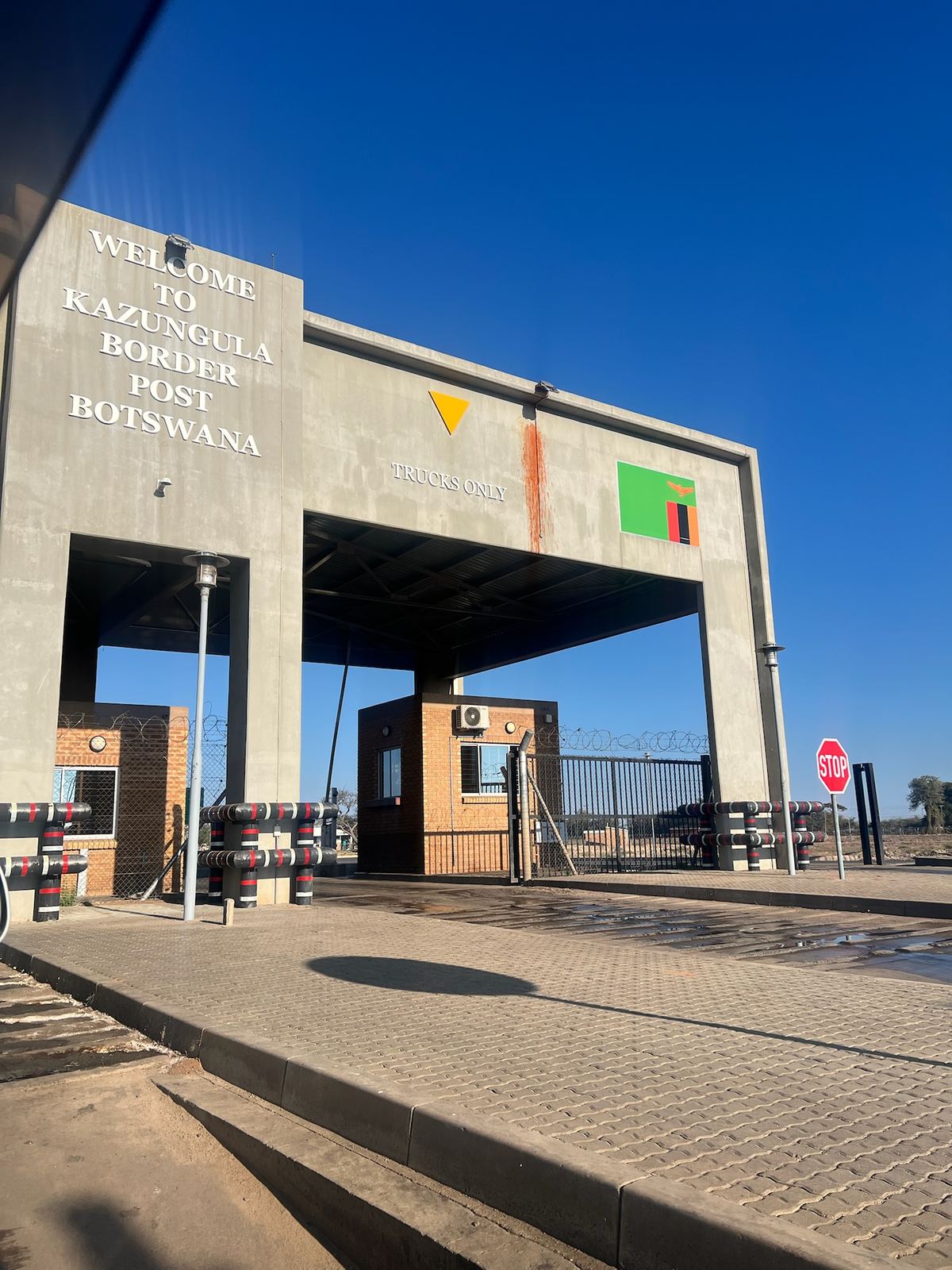
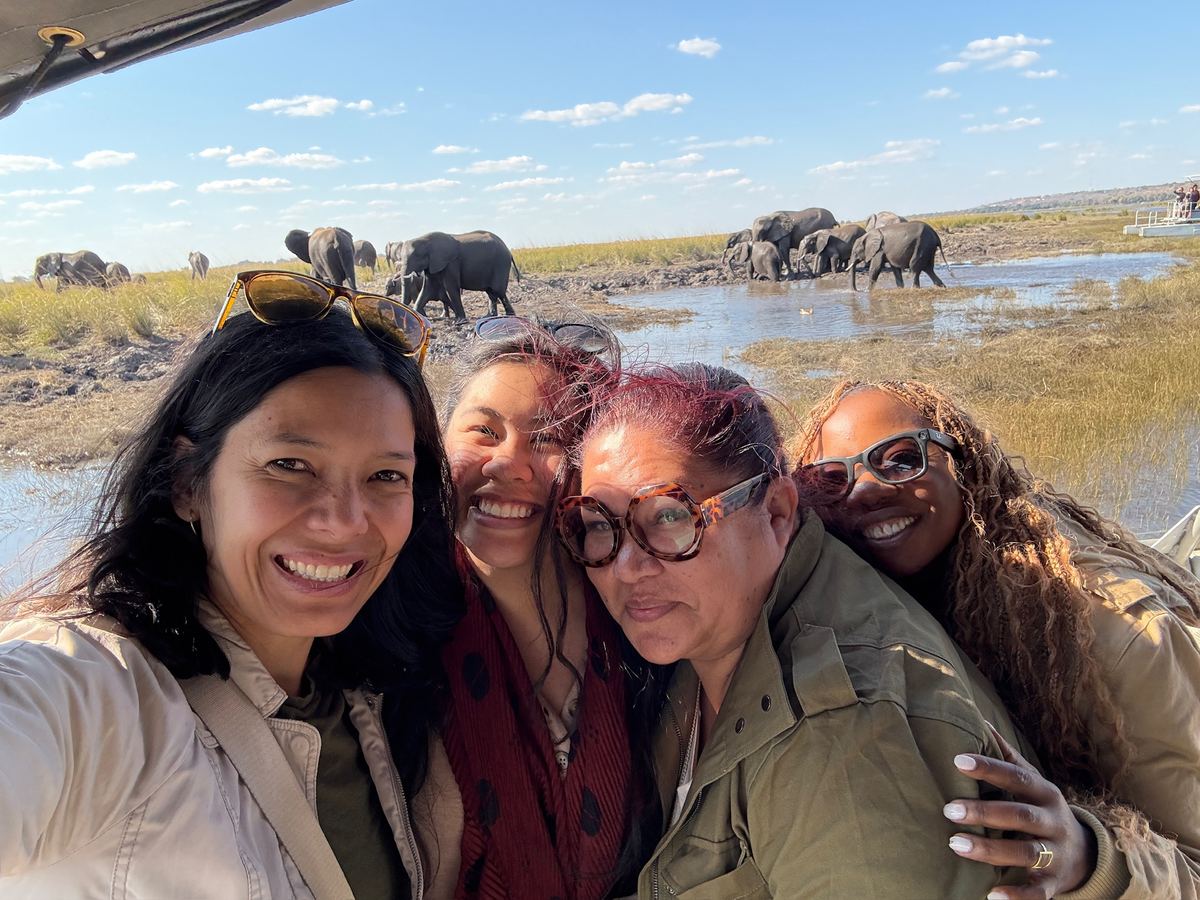
The next morning we were picked up for a full-day safari and boat cruise in Chobe National Park in Botswana. We crossed at the Kazungula border post. The day included a safari drive through the park and a boat ride on the Chobe River. Chobe is famous for its huge elephant herds, and we watched them wading through the water. We even saw a whole herd of 50+ elephants crossing the river, plus impala, a fish eagle, and a leopard hiding in the brush. Lunch was included.
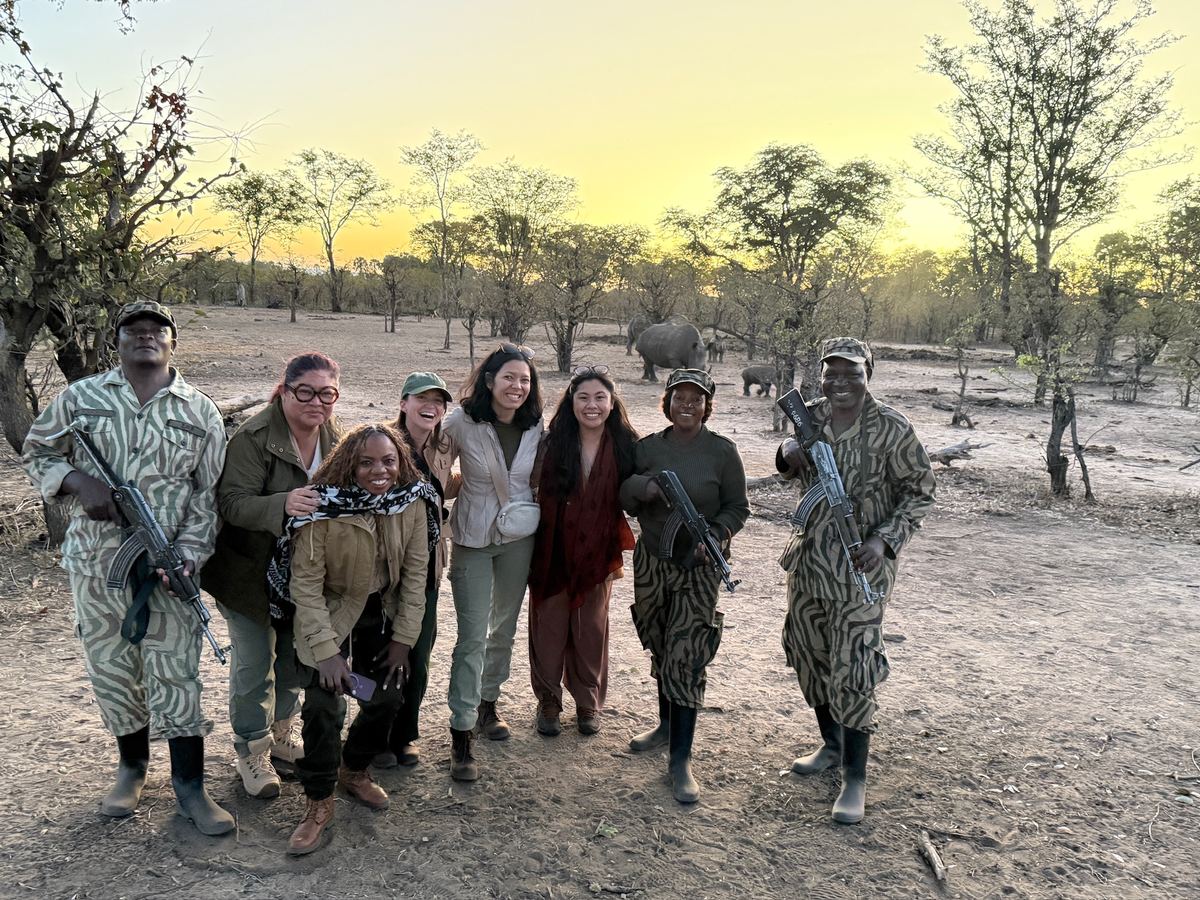
On the way back, our guide surprised us with a spur-of-the-moment rhino walk. We went into the Mosi-oa-Tunya National Park after hours, so we had the whole place to ourselves. Then, with armed rangers, we walked out to see Zambia’s 12 white rhinos, which are guarded around the clock to protect them from poachers. There, we met the woman in charge of their safety, who told us the herd started with five rhinos given by South Africa for breeding. We even got to see a baby that was just three and a half weeks old. It was really special.
Day 5: Fly to Kruger and arrive at Kings Camp
In the morning we caught a fastjet flight from Victoria Falls to Nelspruit and took a transfer to Kings Camp in the Timbavati Private Nature Reserve, which shares an unfenced border with Kruger National Park. We stayed at Waterbuck Private Camp, Kings Camp’s private villa, with our own ranger, tracker, villa manager, and chef. Our flight was delayed, but Kings Camp still gave us a wonderful welcome, with snacks and food waiting for us. It was top quality from the very second we arrived. We went almost straight out on our first afternoon safari drive. Back at camp, we had dinner cooked by Chef Lungisani.
Day 6: Two safari drives at Kings Camp
This was our full safari day. Our wake-up call came before sunrise. We had coffee and tea in the library with our ranger before heading out on the morning drive. The mornings were freezing, so we bundled up in beanies, scarves, and the blankets on the vehicle. Our ranger even stopped mid-drive for hot chocolate. Timbavati is known for leopards and rare white lions. Over our drives we saw lions resting in the golden grass, a leopard, white rhinos with a calf, elephants, a hyena, and giraffes.
What I loved about being on a private reserve with the Kings Camp guides was that the wild animals were never crowded by people. We always kept a good distance and no more than three cars were allowed within any of the big five.
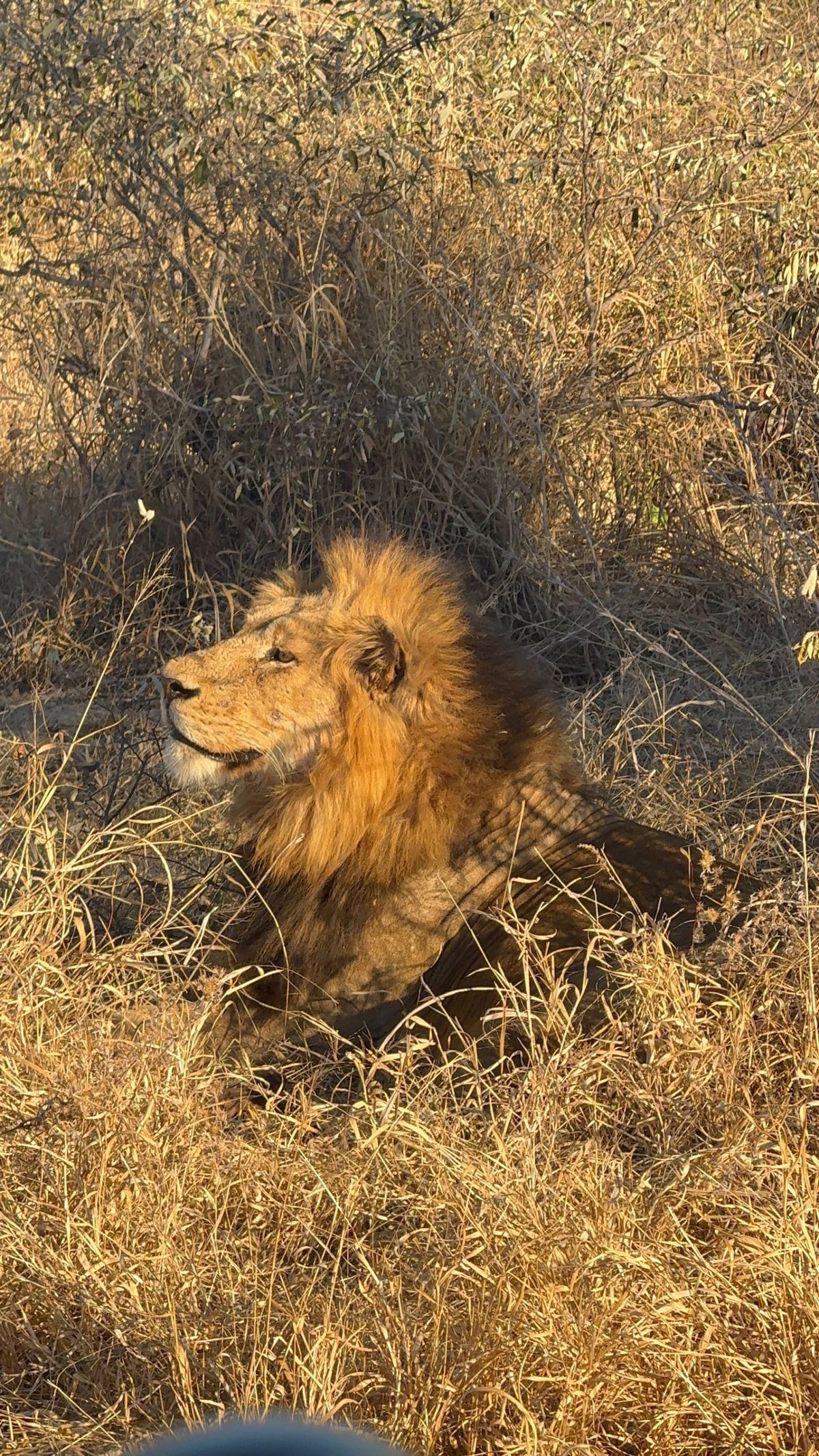
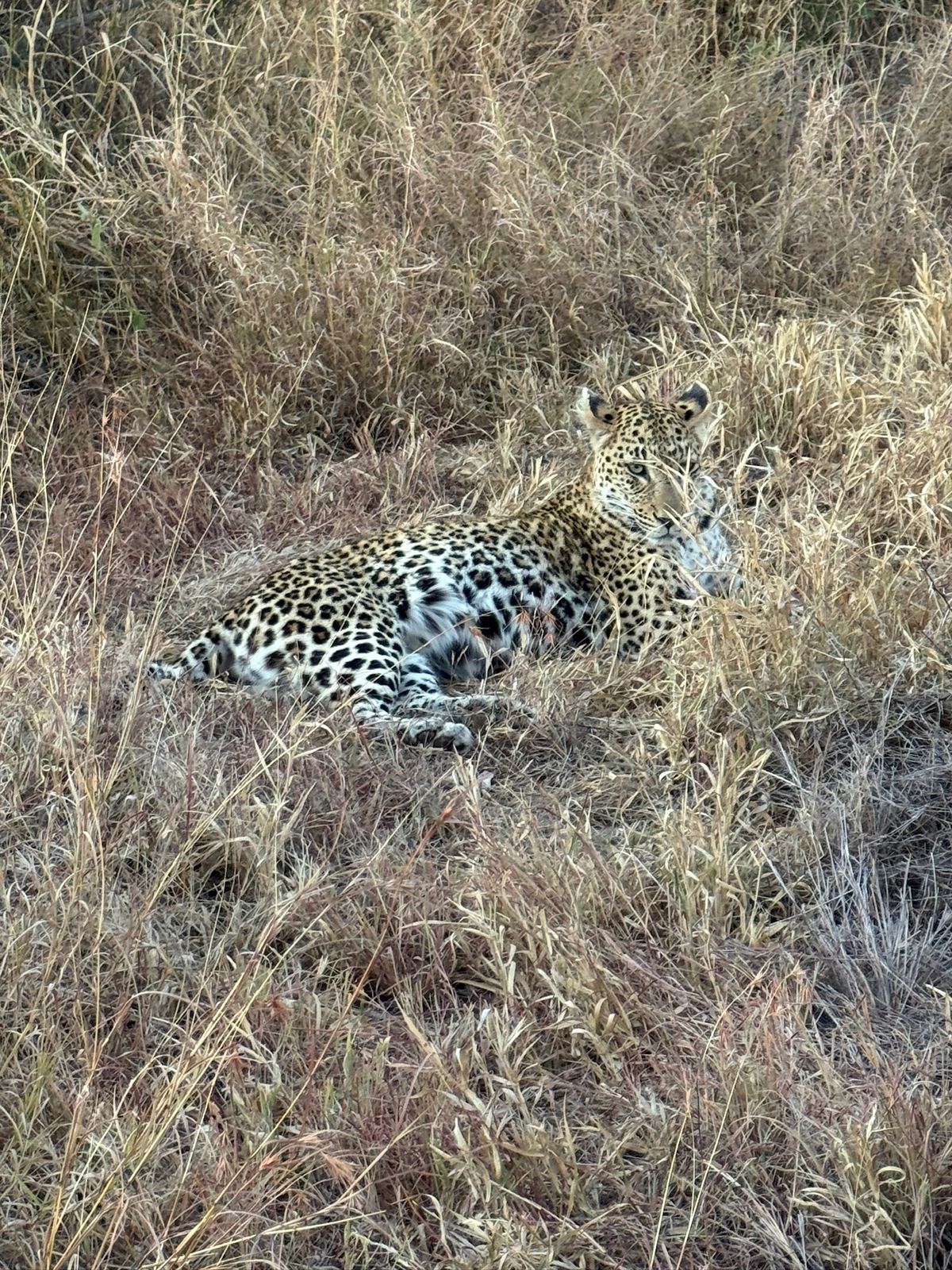
Afterward, we came back mid-morning for a big breakfast, and I went on the bush walk. Then we had lunch on the dining deck and headed out again for the afternoon drive. We asked if the chef would give us a private cooking class. That night we cooked in the villa kitchen with the chef, chopping vegetables and morogo, a local wild spinach, for dinner. We had so much fun.
Day 7: One last safari drive, then fly to Cape Town
We squeezed in one final sunrise safari drive and breakfast, then transferred to Hoedspruit for our CemAir flight to Cape Town. That evening we checked into our villa in Camps Bay.
Day 8: Lion’s Head at sunrise and a slow afternoon
On our first morning in Cape Town, my friend Annie and I got up in the dark to hike Lion’s Head for sunrise with The Cape Town Local. It was a little harder than we expected, but our guide was so patient. We reached the top in time to watch the sun come up over the city, with Table Mountain on one side and the ocean on the other. Bring a beanie and layers, because it’s cold and windy at the top before sunrise.
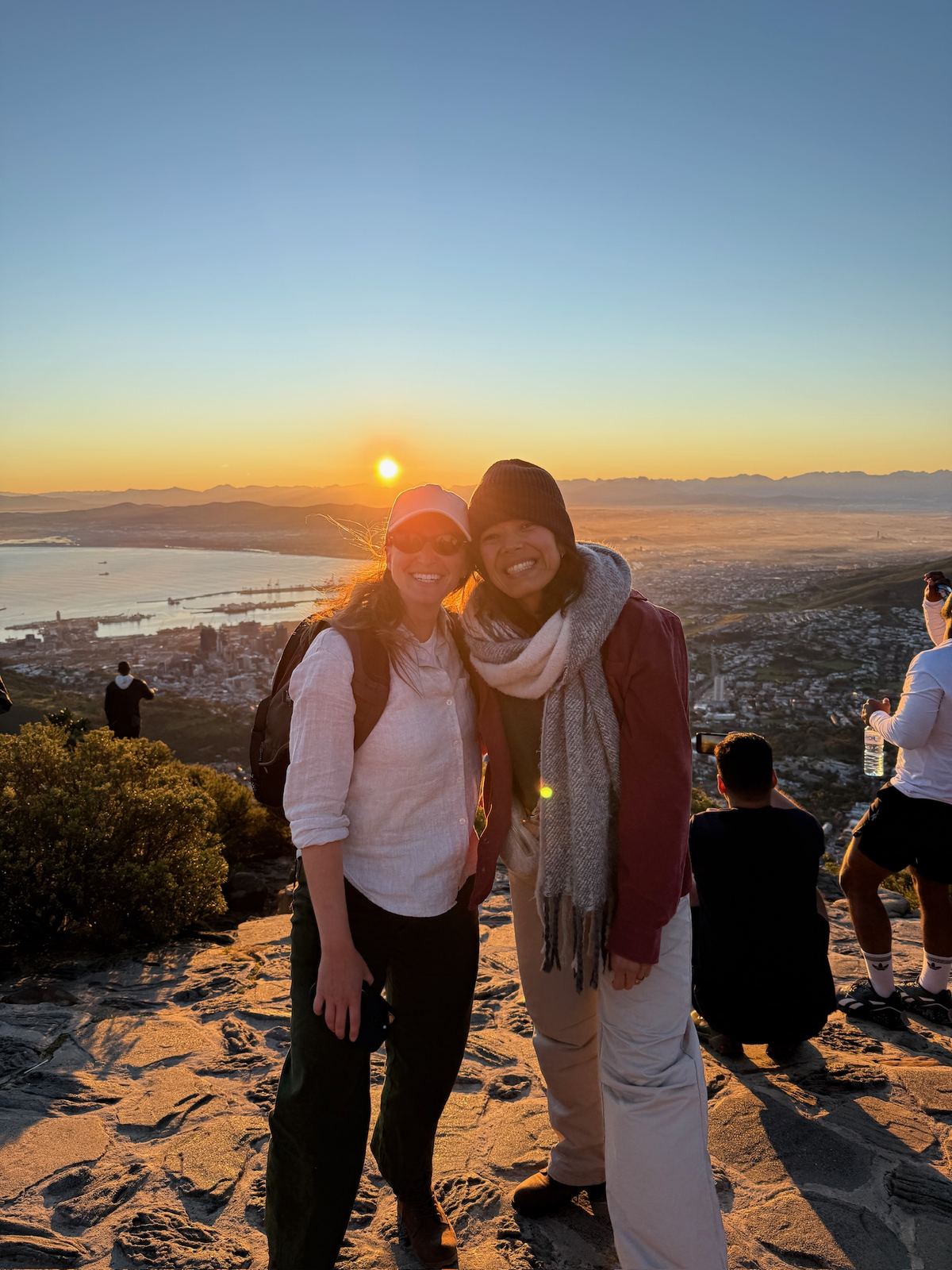
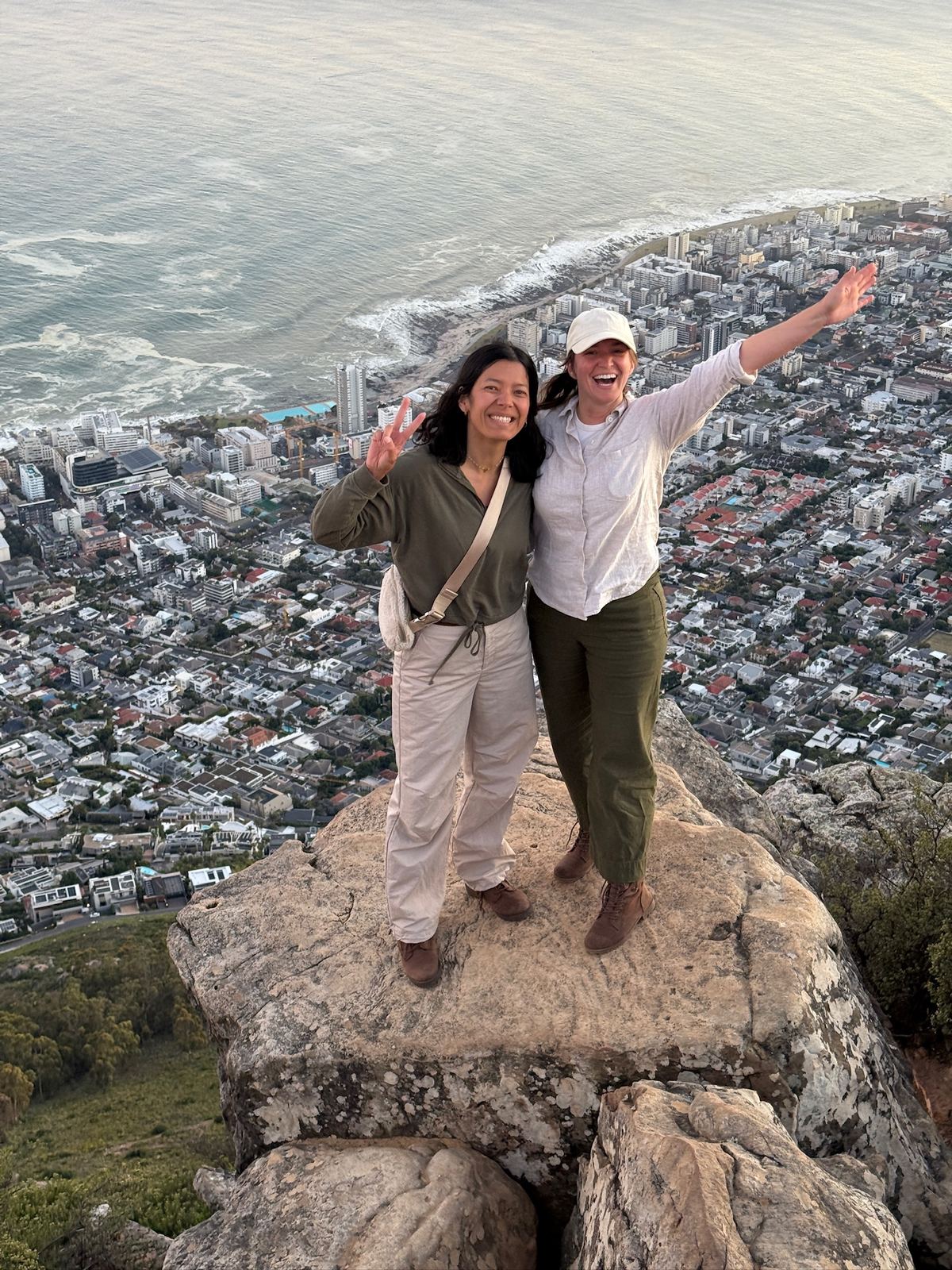
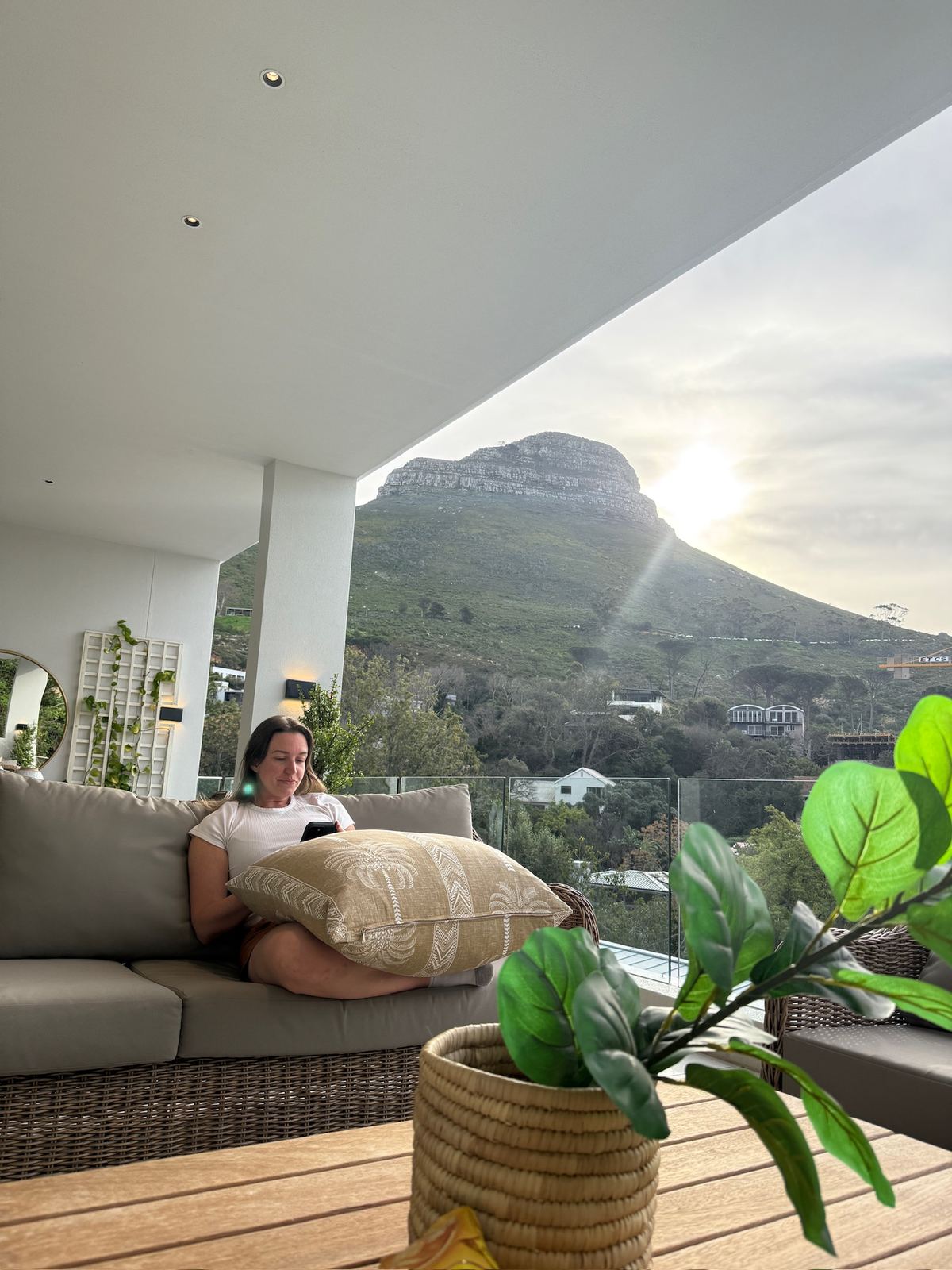
Afterward, our guide recommended Nourish’d Café & Juicery, a plant-based cafe within walking distance. The pastries and smoothie bowls were exactly what we needed. Then we spent the rest of the day relaxing at the villa, whose terrace looks right out at Lion’s Head.
Day 9: Penguins, the Vegan Goods Market, and Bo-Kaap
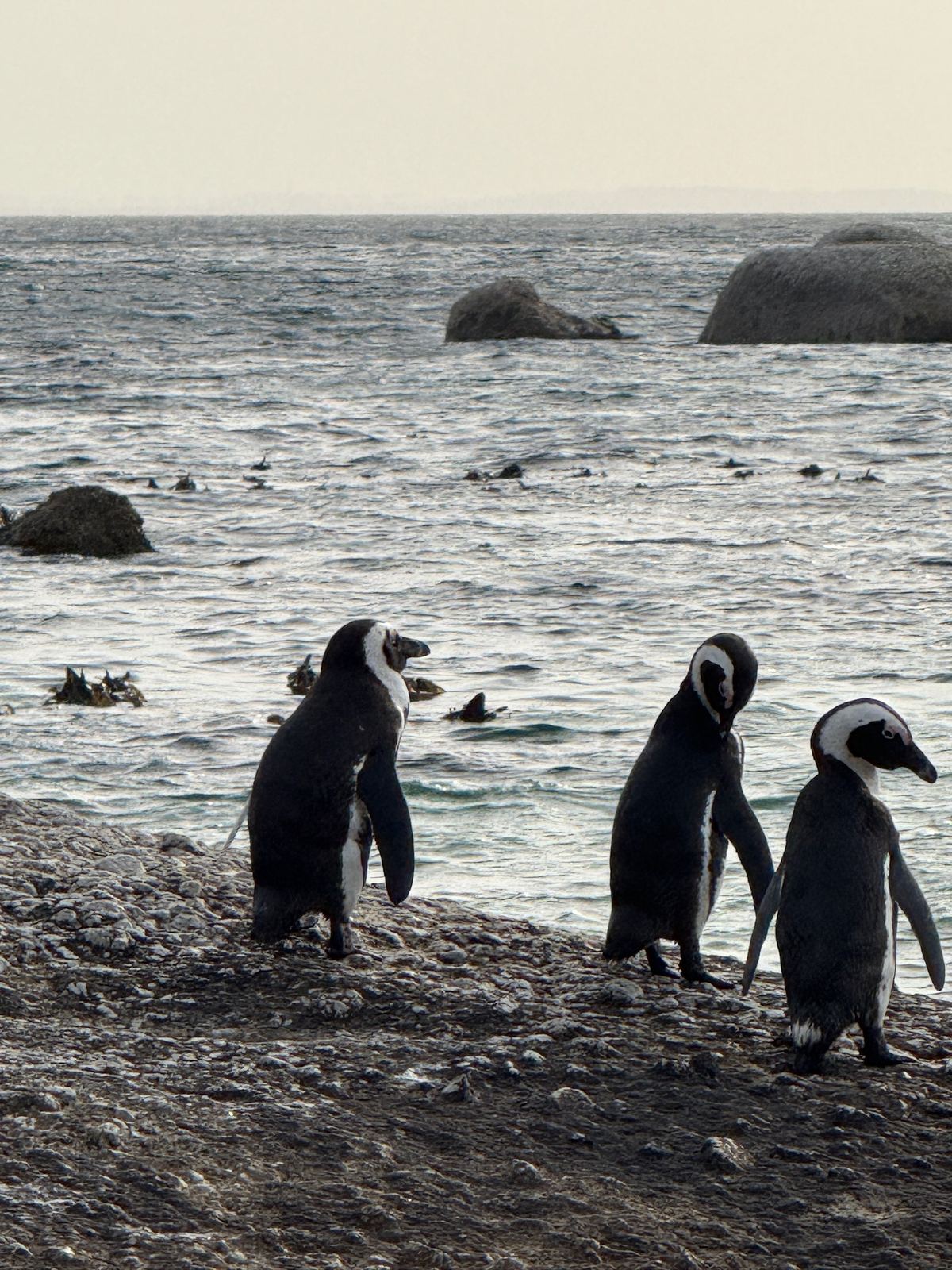
Originally we had planned to take a group tour, but instead we decided to hire a driver we met through Uber and paid her to be our private driver for the day. That let us go at our own pace. After another breakfast at Nourish’d, she drove us to Boulders Beach, where boardwalks take you right past a colony of endangered African penguins. We went early to avoid the crowds, which made it easier to get good photos.
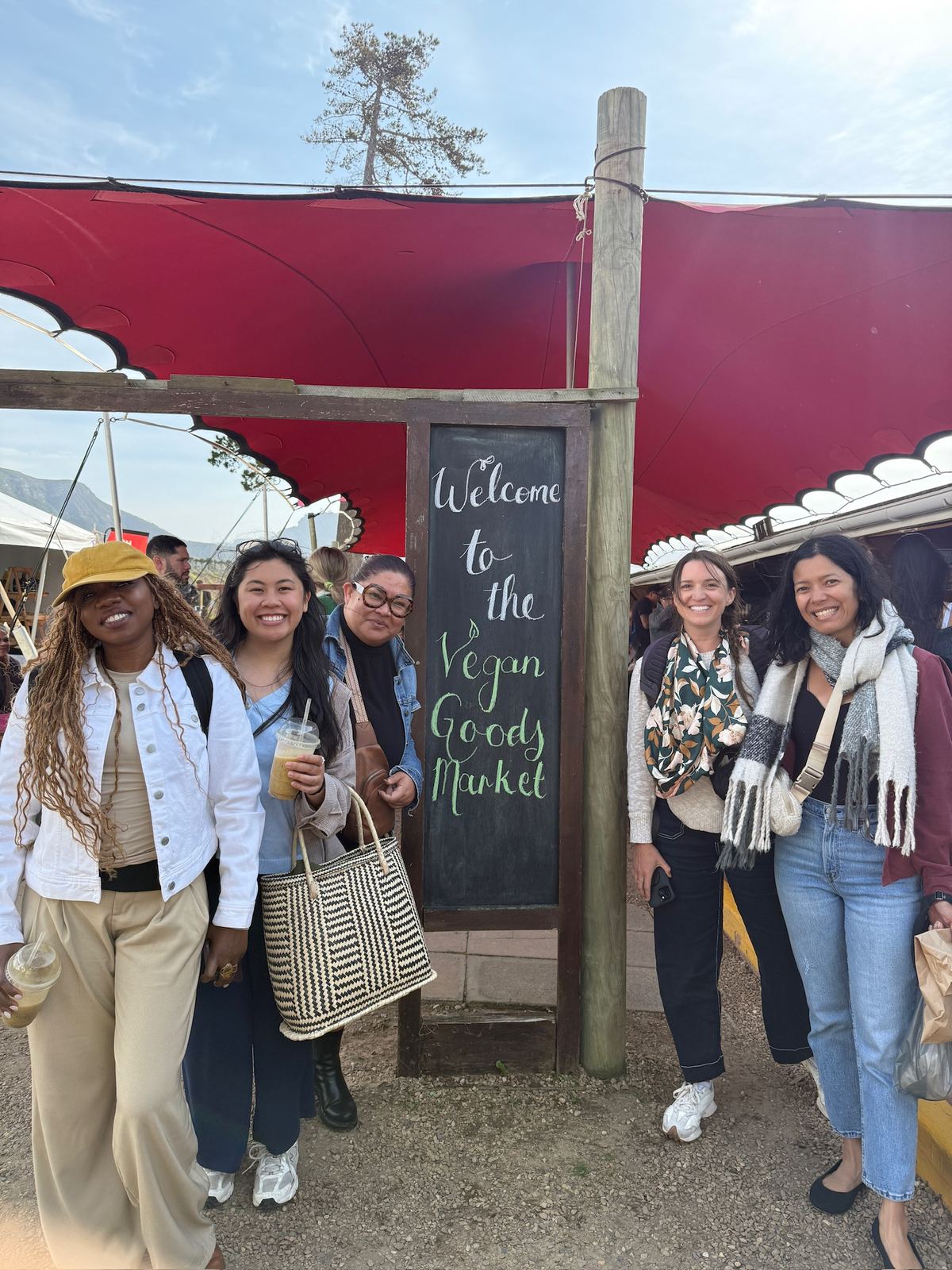
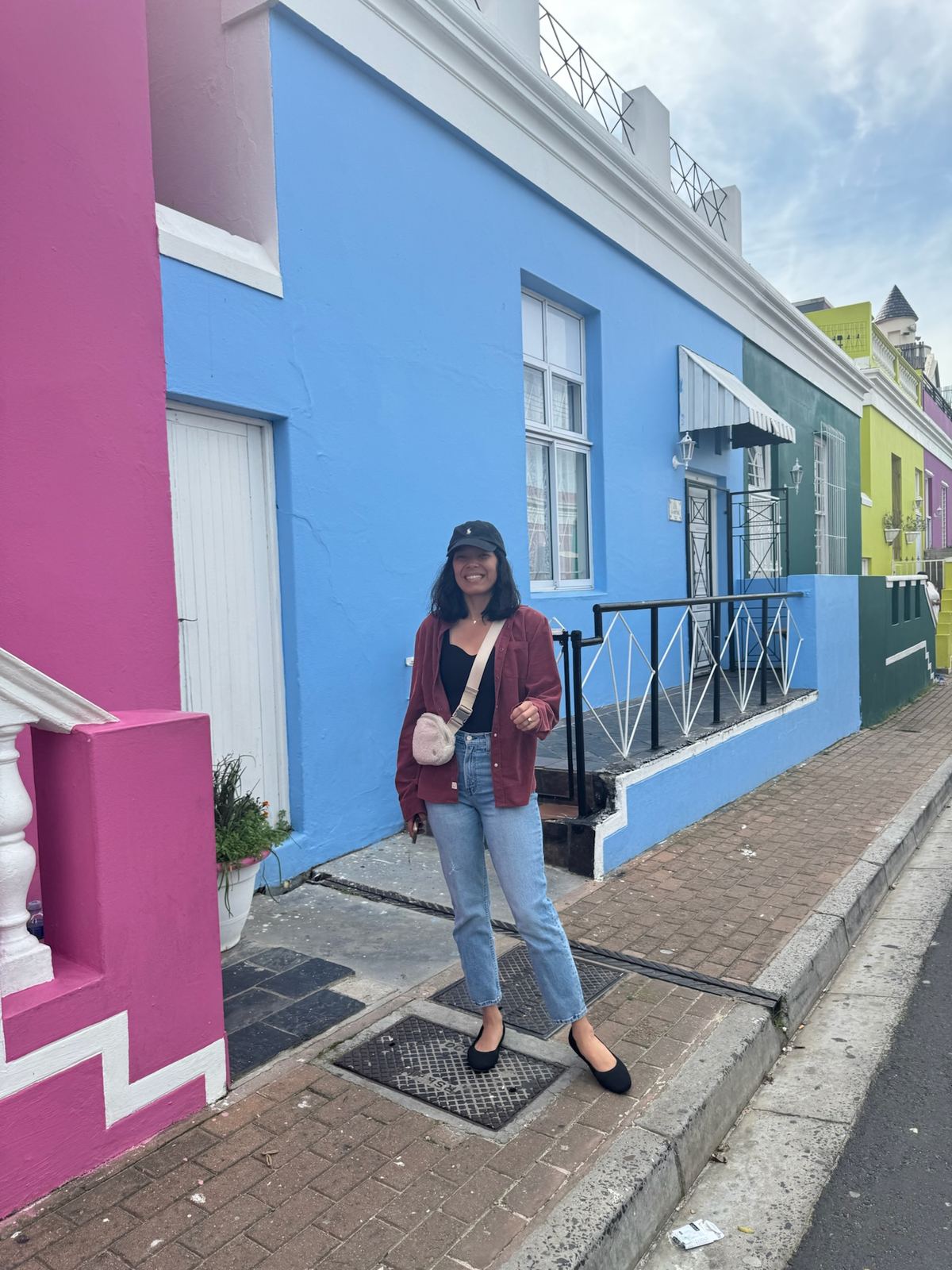
Next she took us to the Vegan Goods Market. I was the only vegan in the group, but we all loved it and spent a couple of hours trying food and browsing. Finally, we stopped at a big outdoor market and then walked through Bo-Kaap, the neighborhood known for its colorful houses and Cape Malay heritage. We took turns posing in front of the pink, blue, and lime green walls.
Day 10: Fly home
On our last morning, we had one last breakfast at the villa, checked out, and headed to the airport for our flights home.
Things to Do in Southern Africa
1. Take a sunset cruise on the Zambezi
An evening on the river is an easy way to start seeing wildlife and a relaxed first night after a travel day. We took the three-hour Pure Africa dinner cruise, which includes a four-course dinner. If you’d like something shorter, the two-hour Signature Sunset Cruise on the Zambezi Explorer serves canapés instead.
2. Walk the trails at Victoria Falls
Plan on about three hours to walk the paths and stop at the viewpoints on the Zimbabwe side. Rent a heavy-duty poncho at the craft market across from the entrance. If you’re staying in Livingstone like we did, confirm in writing before you book that your guide can take you across the border to the Zimbabwe side. Our first guide couldn’t, and we lost time sorting it out at the border.
3. Do a day safari in Chobe
Chobe is close enough to Livingstone for a full-day trip. You get a safari in Botswana, including a boat ride past the elephant herds on the Chobe River, without changing hotels. We booked this full-day Chobe safari and boat cruise.
4. Spend at least two nights at a private reserve
Kings Camp gave us two full safari drives a day with our own ranger and tracker. If you’ve been on a desert trip like our two nights at a luxury camp in the Sahara, expect the same early mornings and the same feeling of being far away from everything. If you stay, ask about a private cooking class with the chef, which they arranged for us.
5. See the penguins at Boulders Beach
The boardwalks keep you close to the penguins without disturbing them, so you get a great view. Go early to beat the crowds. We hired a private driver for the day, which made it easy to fit the penguins, the Vegan Goods Market, and Bo-Kaap into one day at our own pace.
6. Walk through Bo-Kaap
Bo-Kaap’s colorful houses are some of the most photographed streets in Cape Town. The neighborhood also has a long Cape Malay history worth learning about while you’re there.
7. Spend an afternoon at the Vegan Goods Market
The Vegan Goods Market brings together dozens of vegan food vendors plus cruelty-free products, clothing, and local crafts. It now runs on the first Sunday of the month at The Range in Tokai, so check the dates before you go. Even the non-vegans in our group stayed for a couple of hours.
8. Hike Lion’s Head for sunrise
Lion’s Head is a moderate hike, and going with a guide means you’re not finding the trail alone in the dark. Annie and I booked a guided sunrise hike with The Cape Town Local, which takes about three and a half hours. They also run a sunset version.
9. Leave a day with nothing planned
After a week of early wake-up calls, a slow day at the villa was exactly what the group needed. That balance is a big part of why we love group travel: everyone can join in or rest.
Where We Stayed
InterContinental Johannesburg (1 night)
Just a few minutes’ walk from the terminal at O.R. Tambo, so it’s an easy first night after a long flight. I enjoyed the vegan options at Quills, the hotel restaurant. They even let me give them a packet of my protein powder to add to my smoothie. You can book the InterContinental here.
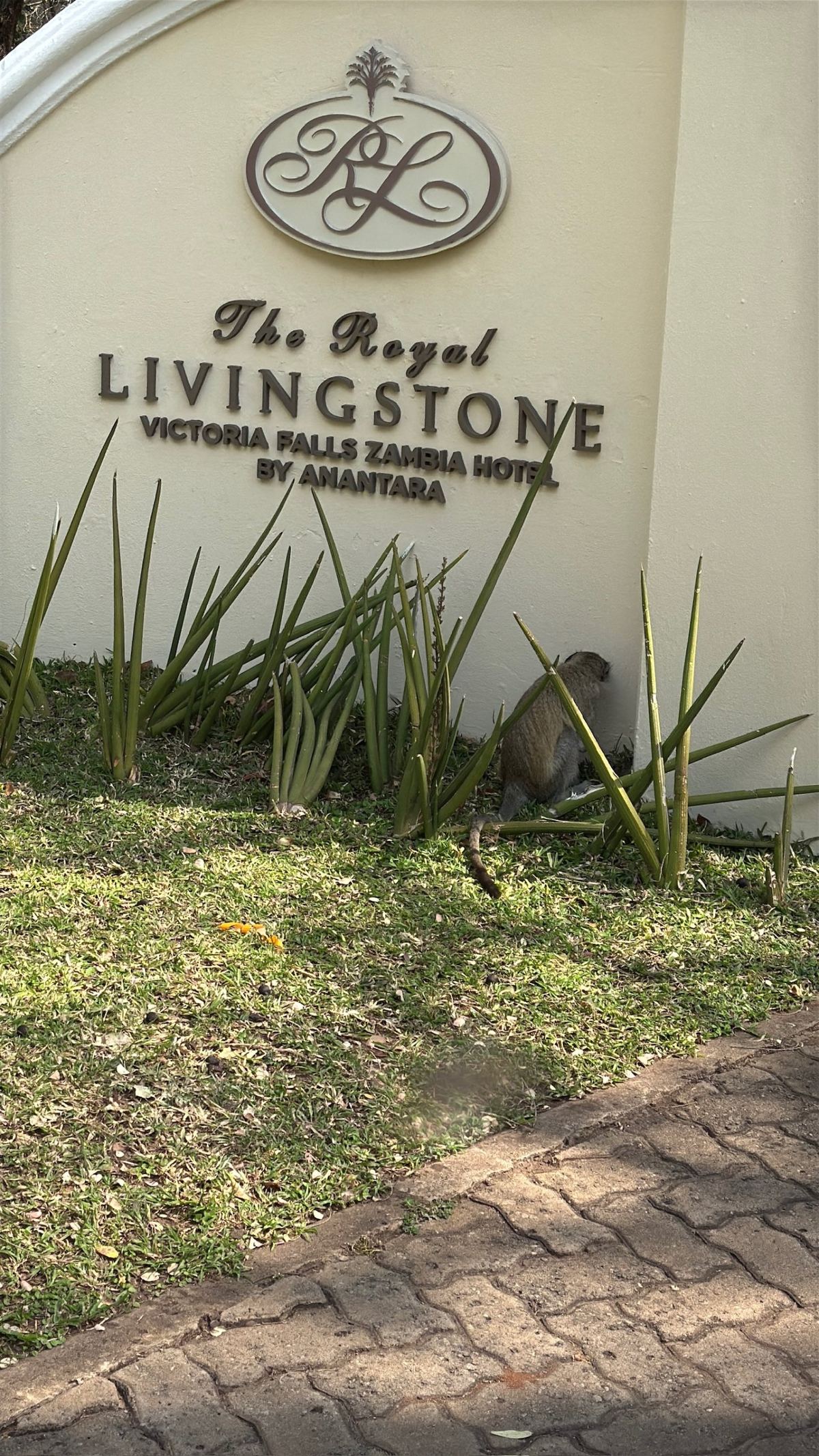
The Royal Livingstone (3 nights)
Our base for Victoria Falls and Chobe, set right on the Zambezi in Livingstone, Zambia, with zebras and impala wandering the lawns. It was surreal to be among the animals, and we even saw elephants in the river while we were eating lunch. You can book The Royal Livingstone here.
Kings Camp, Timbavati (2 nights)
Our safari stay was Waterbuck Private Camp, Kings Camp’s private villa in the Timbavati Private Nature Reserve next to Kruger. The villa was stunning, and the service was the best. Meals and safari drives were included, and Chef Lungisani cooked our dinners. Kings Camp takes vegan guests seriously: vegan dishes are a permanent part of the breakfast, lunch, and dinner menus. The staff are trained in what vegan guests need, down to the spa products. You can check rates and book Kings Camp here.
Private villa in Camps Bay, Cape Town (3 nights)
We booked this Airbnb in Camps Bay so everyone had their own room for the last part of the trip. It was beautiful and modern, had everything we needed, and felt safe. It now has a seven-night minimum stay, so it works best if you’re spending a full week in Cape Town.
What to Eat and Drink
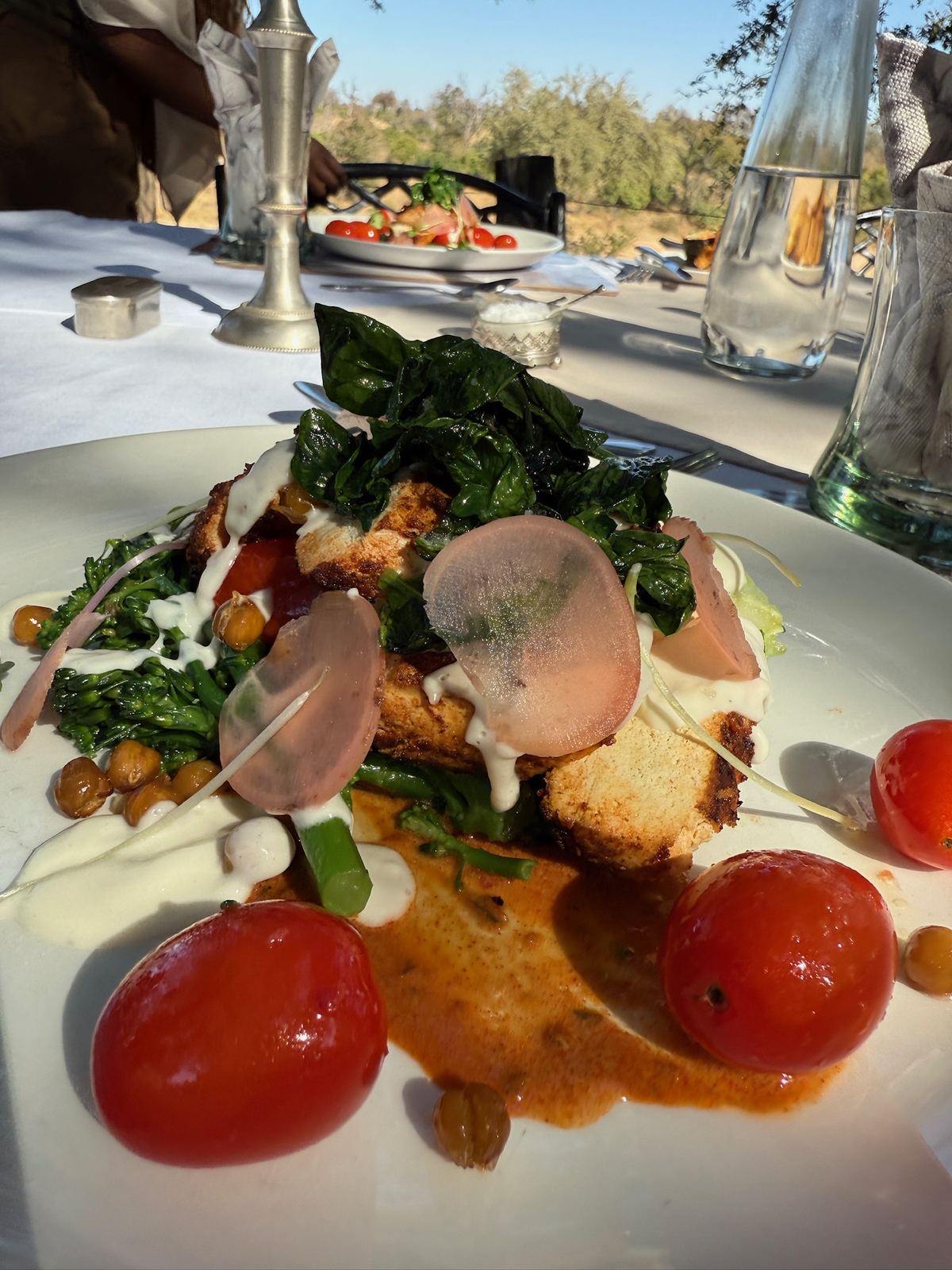
At Kings Camp, every meal was included, from breakfast after the morning drive to lunch on the dining deck and dinner in the evening. Our Zambezi cruise and the Chobe safari both included a meal too. Everywhere else, we ate on our own.
At Waterbuck we picked our dinner each night from a menu. One night’s options included a pea and coconut soup with crispy onions. There was also a grilled jackfruit steak with creamy butterbean mash and green pepper sauce, arancini stuffed with sundried tomato, spinach, and macadamia nut cheese, tagliatelle in red pesto, and for dessert a dark and white chocolate mousse or a plant-based cheese board.
Getting There and Getting Around
We flew into Johannesburg and out of Cape Town, which saved us from doubling back. In between we took three short flights: Johannesburg to Victoria Falls on Safair, Victoria Falls to Nelspruit on fastjet, and Hoedspruit to Cape Town on CemAir. Transfers took us from Nelspruit to Kings Camp and from Kings Camp to Hoedspruit. In Livingstone and Cape Town our guides and drivers picked us up at the hotel, so we never needed a rental car.
If you stay in Livingstone, be prepared to cross the border a lot. Make sure you have plenty of blank pages in your passport. Our tours to Victoria Falls and Chobe handled the border crossings for us, but our arrival day was a different story. Victoria Falls Airport had no wifi and we had no cell reception, so we couldn’t call for a ride. Book your transfer from the airport before you arrive, including the border crossing into Zambia if you’re staying in Livingstone.
Practical tips
- Passports: Make sure yours is valid for at least six months after your return date and has at least two blank pages.
- Health: Check with your doctor about vaccines like Hepatitis A and B, typhoid, and tetanus. Chobe, Victoria Falls, and Kings Camp are in malaria areas, so ask about antimalarial medication too. Bring insect repellent and long sleeves for the evenings.
- Money: US dollars are widely accepted in Zambia, Zimbabwe, and Botswana, but bring small, clean, newer bills. South Africa uses the rand, and cards work in most places. ATMs can be unreliable in some areas, so carry some cash.
- Tipping: Plan on $5 to $10 a day for guides, $10 to $20 for safari lodge staff, and a few dollars for drivers and restaurant staff.
- What to wear: Dress modestly in rural or traditional settings, with shoulders and knees covered, and bring a light scarf. At the camps and hotels you can dress however you’re comfortable. For safari, pack neutral colors.
- Power: Bring Type M and Type G plug adapters.
- Water: Stick to bottled or filtered water.
If you’re wondering how to pack for this many climates and activities, our capsule wardrobe guide is a good place to start.
Southern Africa FAQs
Is 10 days enough for Southern Africa?
Ten days was enough for us to see Victoria Falls, do two safaris, and spend three nights in Cape Town. It did mean a flight every few days. If you have more time, add a day or two in Cape Town.
When is the best time to go on safari in Southern Africa?
We went in late July, during the dry winter season, when animals gather around rivers and waterholes and are easier to spot. Early mornings on safari drives were cold, so bring warm layers.
Can you visit Victoria Falls and Chobe from the same hotel?
Yes. We stayed three nights at the Royal Livingstone in Zambia and did day trips to Victoria Falls in Zimbabwe and Chobe National Park in Botswana, with a guide handling both border crossings.
Do you need malaria medication for this trip?
Chobe, Victoria Falls, and Kings Camp are all in malaria areas, so talk to your doctor before you go. Insect repellent and long sleeves in the evenings help too.
What currency should you bring?
US dollars work in Zambia, Zimbabwe, and Botswana, as long as the bills are small, clean, and newer. In South Africa you’ll use the rand, and most places take cards.
Final Thoughts
Ten days in Southern Africa took us from the mist at Victoria Falls to elephants in Chobe, a leopard near Kruger, and a sunrise hike up Lion’s Head in Cape Town. It was a lot of travel days, but every stop was worth it, and sharing it with friends made it even more special.
If you have a little more time than we did, I’d add a day or two in Cape Town.
Where Should We Go Next?
We’re planning the next Soul Sisters trip now. Tell us where you want to go, and while you’re here, read about our week in Colombia.