Chobe Day Trip from Livingstone: Elephants, Boats, and Rhinos

This post contains affiliate links. If you book or buy through them, we may earn a small commission at no extra cost to you.
On our 10 days in Southern Africa, we based ourselves in Livingstone, Zambia, and took a Chobe day trip across the border into Botswana. In one day we crossed the Kazungula border, went on a safari drive and a boat cruise on the Chobe River, and watched a herd of more than 50 elephants cross the river.
We went in late July, on the fourth day of our trip, and the day ended with a surprise rhino walk back in Zambia that was really special.
Chobe Day Trip at a Glance
- Where: Chobe National Park in northern Botswana, across the border from Livingstone, Zambia
- Getting there: Our tour picked us up at our hotel in Livingstone and took us across the Kazungula border post
- How long: A full day, with a safari drive, a boat cruise, and lunch included
- Best time to go: We went in late July, during the dry winter season
- Where we stayed: The Royal Livingstone, right on the Zambezi River
- Don’t miss: The boat ride on the Chobe River, where the elephant herds come down to the water
- Pack: Your passport with blank pages, US dollars in small bills, sun protection, and layers. Our capsule wardrobe guide can help
Jump to: Our Day | What We Saw | Rhino Walk | Tips | FAQs | Next Trip
Our Chobe Day Trip from Livingstone
Crossing the Kazungula border
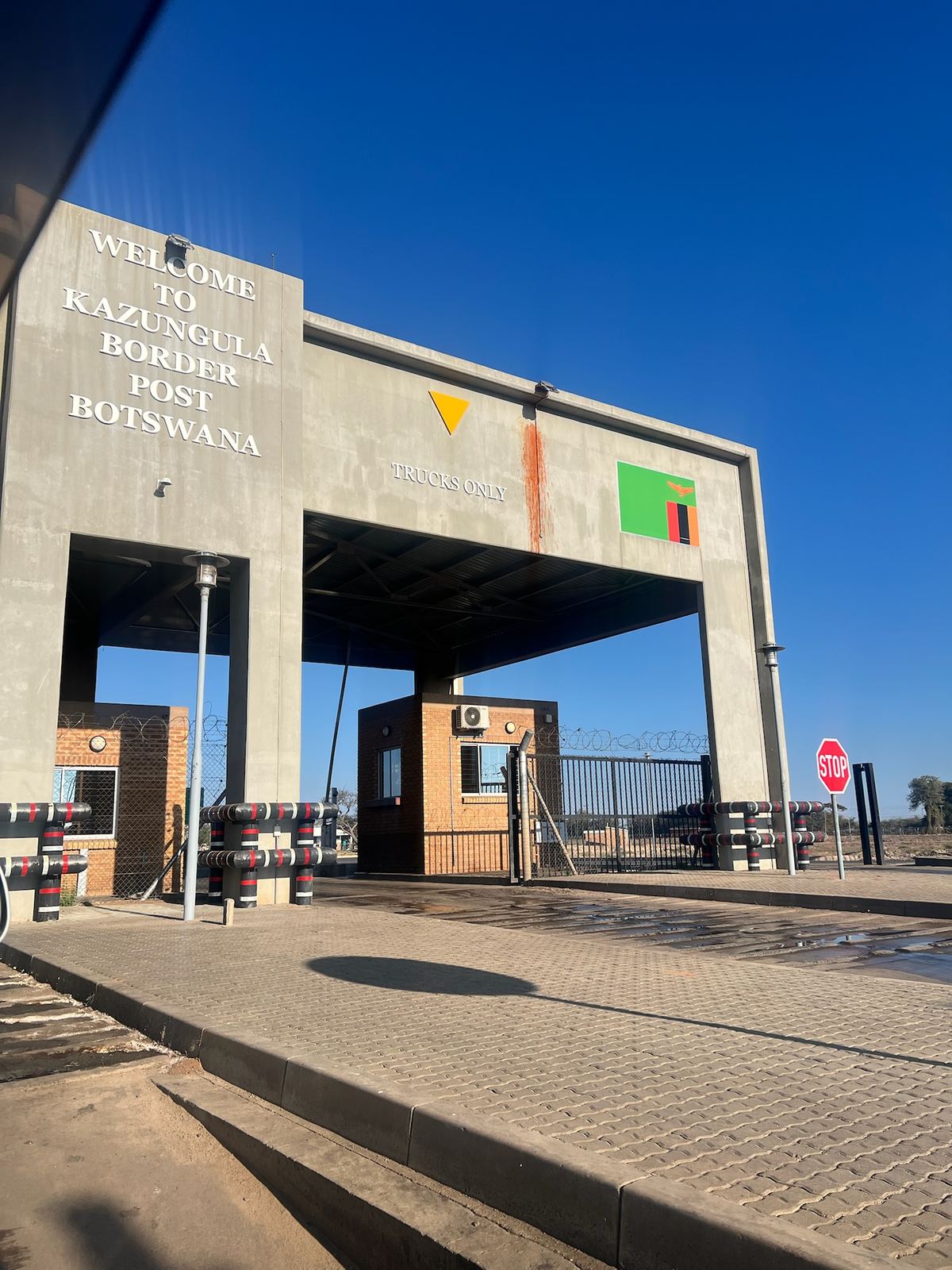
Our guide picked us up at the Royal Livingstone in the morning and drove us to the Kazungula border post, where Zambia meets Botswana. The tour handled the border crossing for us, so all we had to do was have our passports ready. One thing we didn’t expect: at the border, everyone has to get out of the vehicle and step in a special cleaning solution to disinfect your shoes, which helps stop animal diseases from spreading between the two countries. It only takes a minute, so just be ready to hop out.
A safari drive and a boat cruise
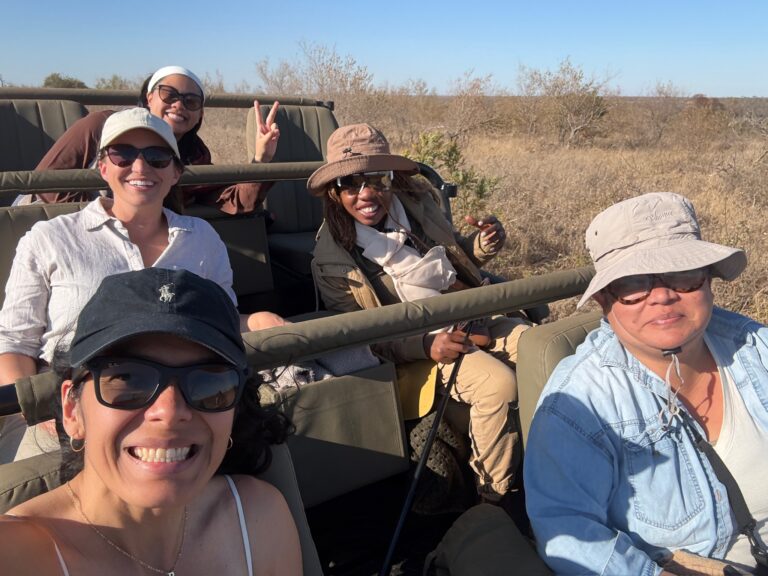
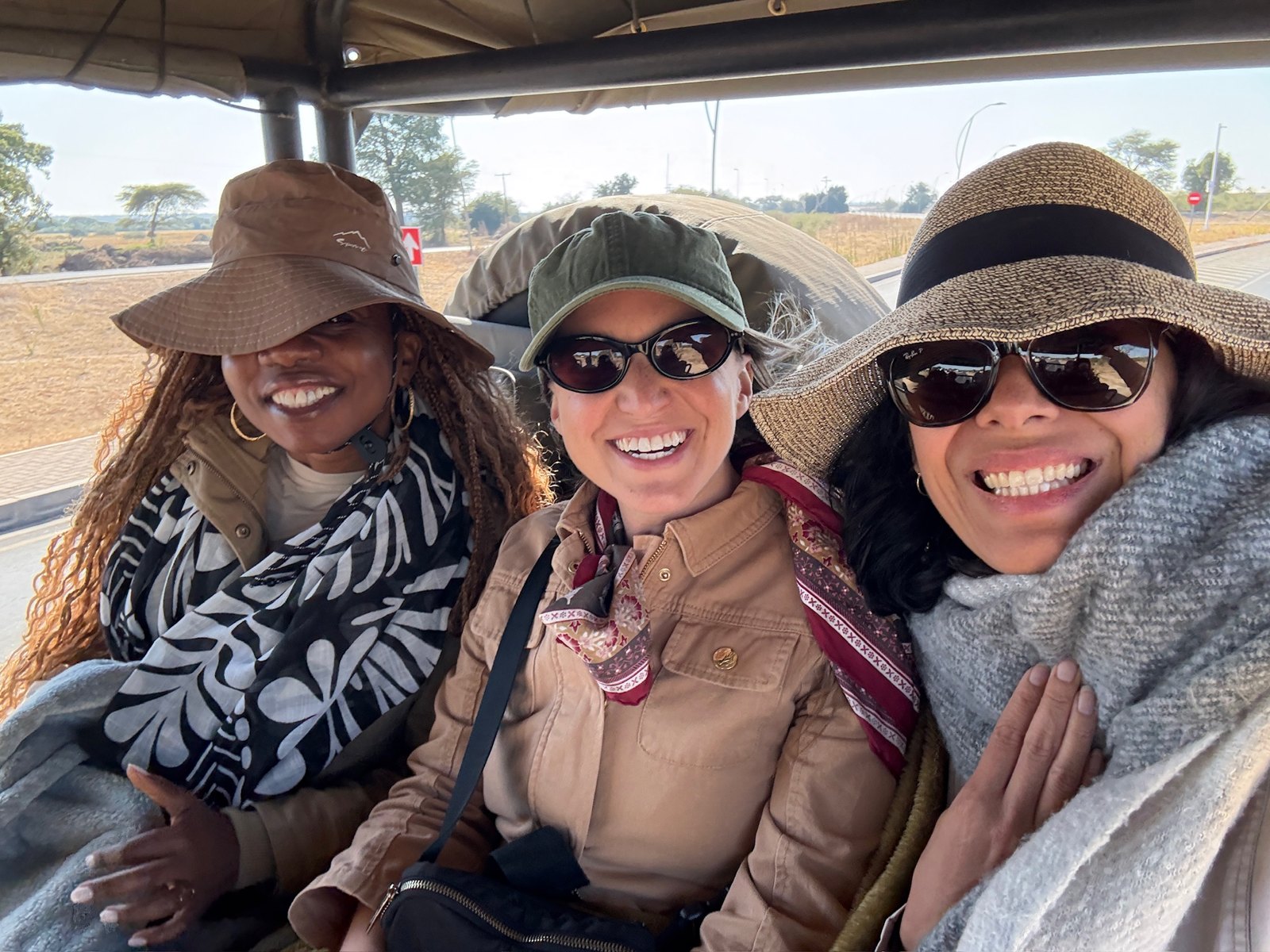
The day included a safari drive through Chobe National Park and a boat ride on the Chobe River, with lunch included at a really nice hotel restaurant along the way. We booked this full-day Chobe safari and boat cruise, so we didn’t have to plan a thing once we were picked up. We did the safari drive in the morning, when it was chilly enough that we bundled up in scarves and blankets, and the boat cruise in the afternoon.
What We Saw in Chobe
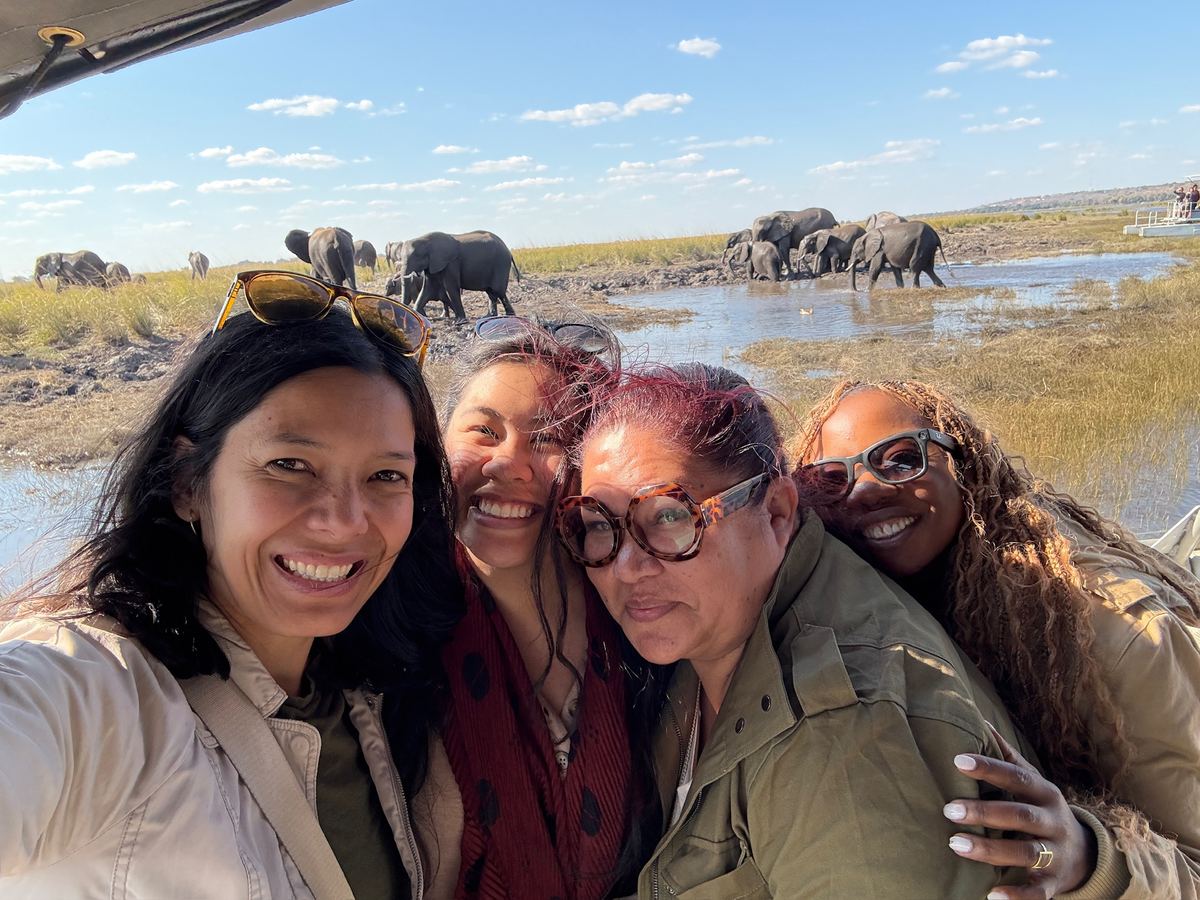
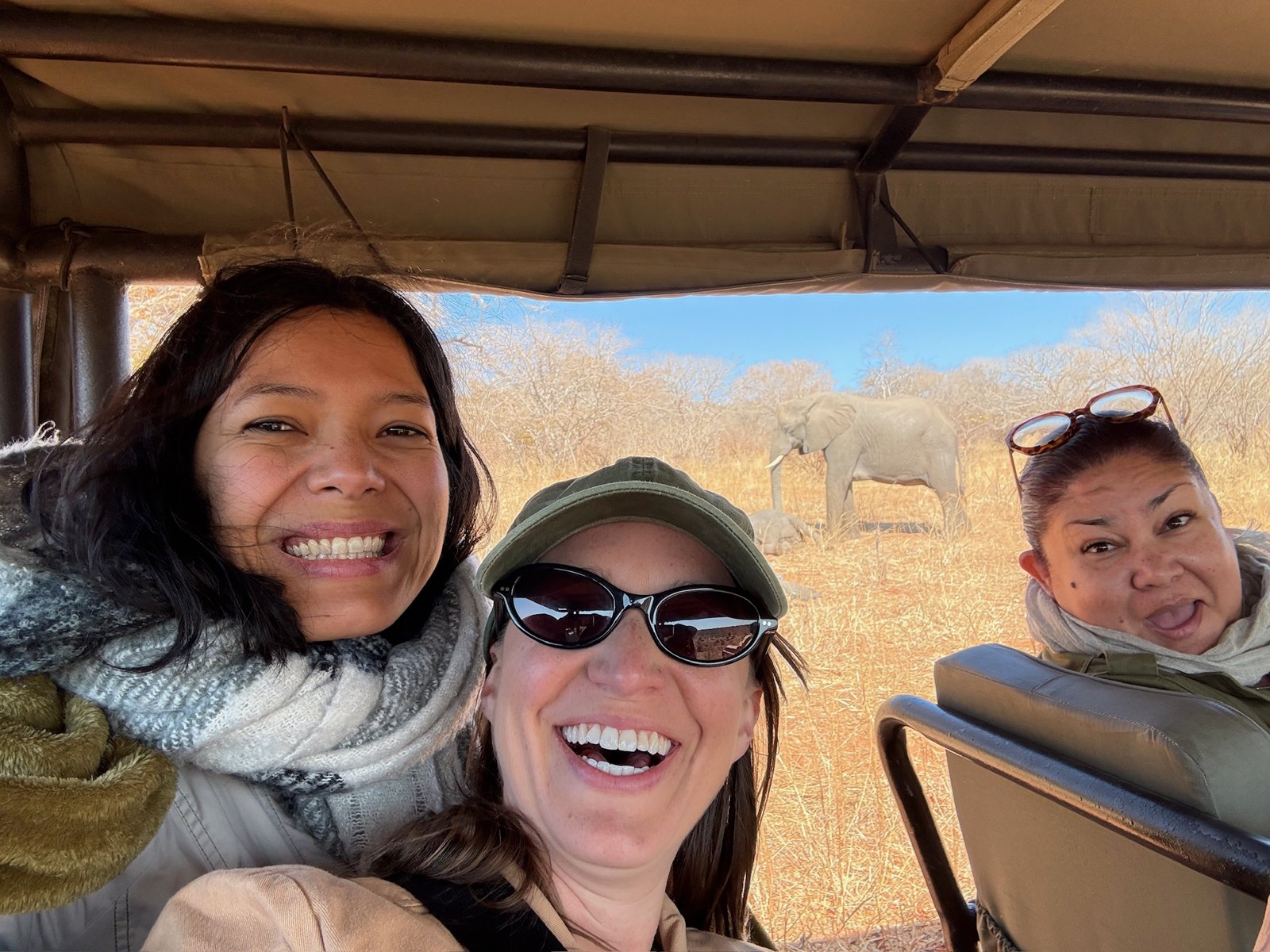
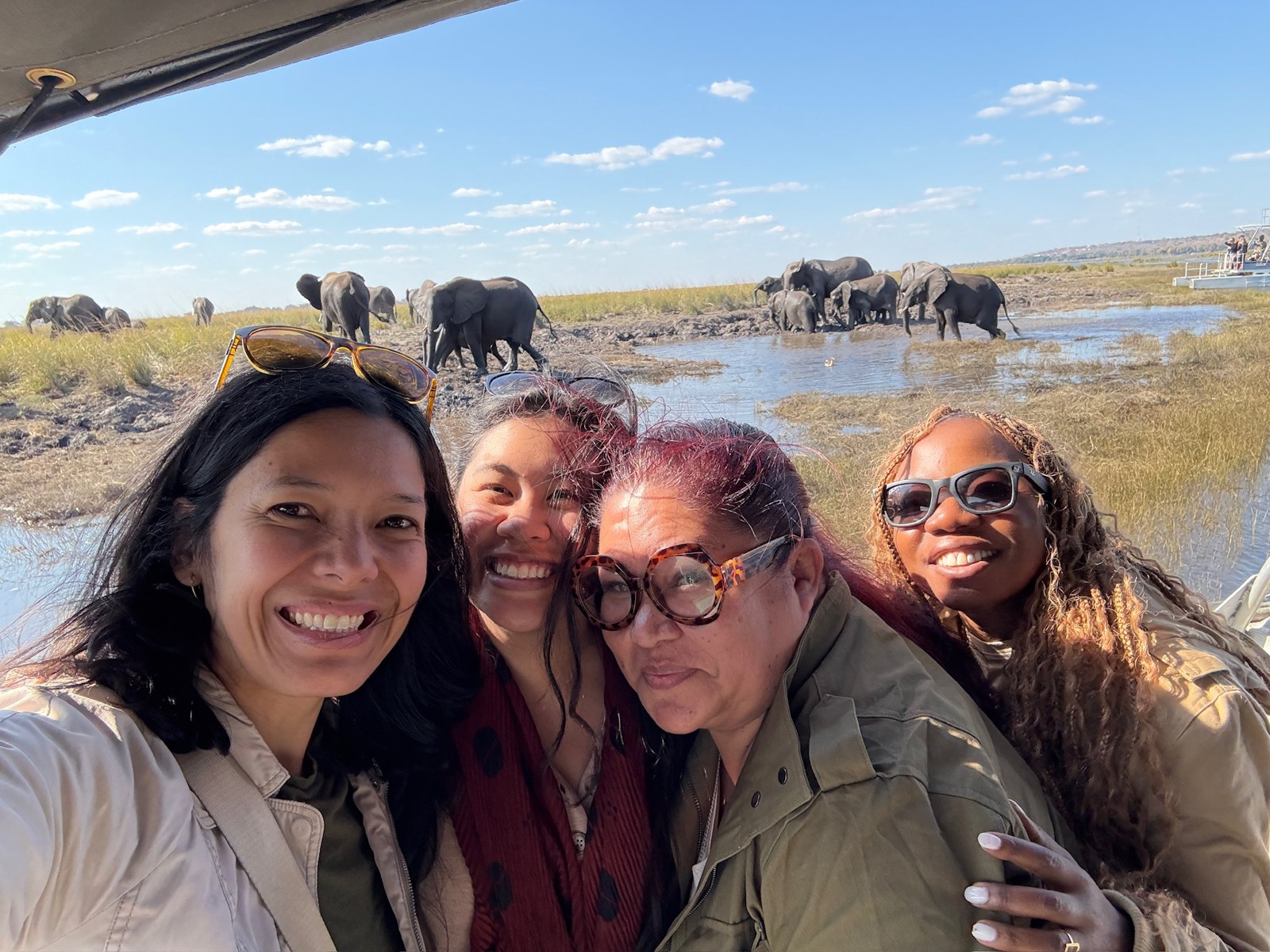
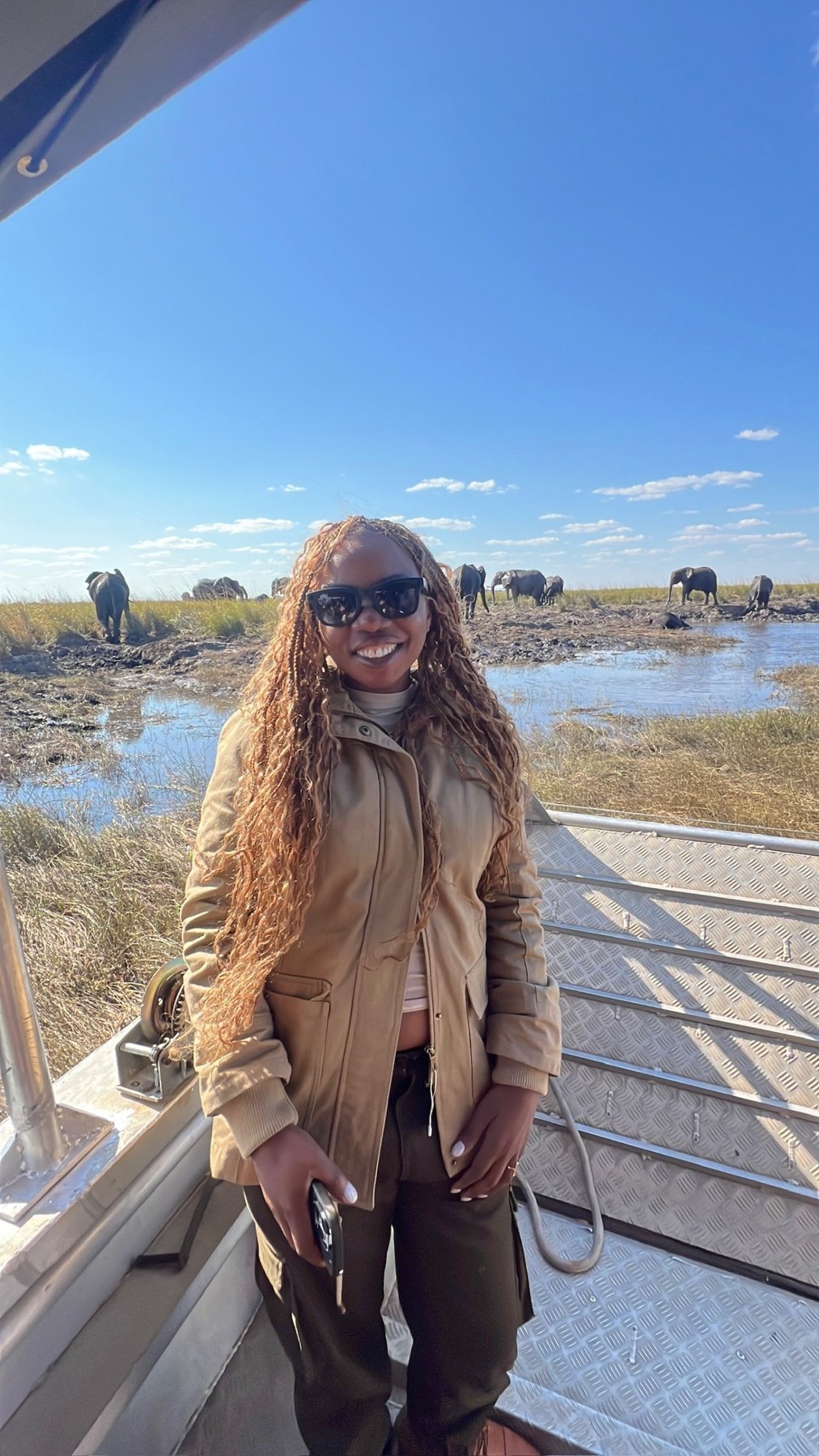
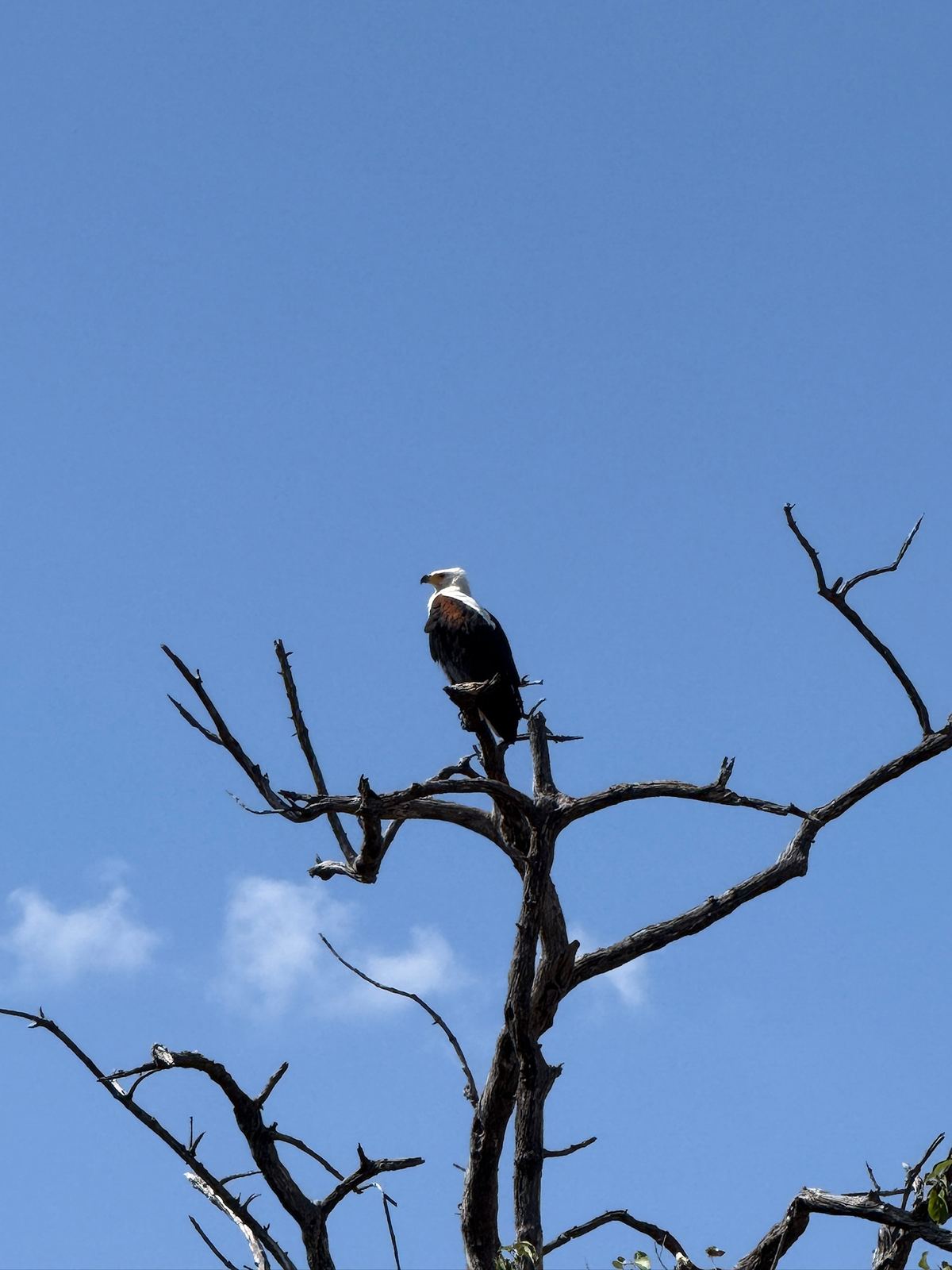
Chobe is famous for its huge elephant herds, and it lived up to it. We watched elephants wading through the water, and then saw a whole herd of more than 50 elephants crossing the river. We also spotted impala, an African fish eagle, and a leopard hiding in the brush.
A Surprise Rhino Walk on the Way Back
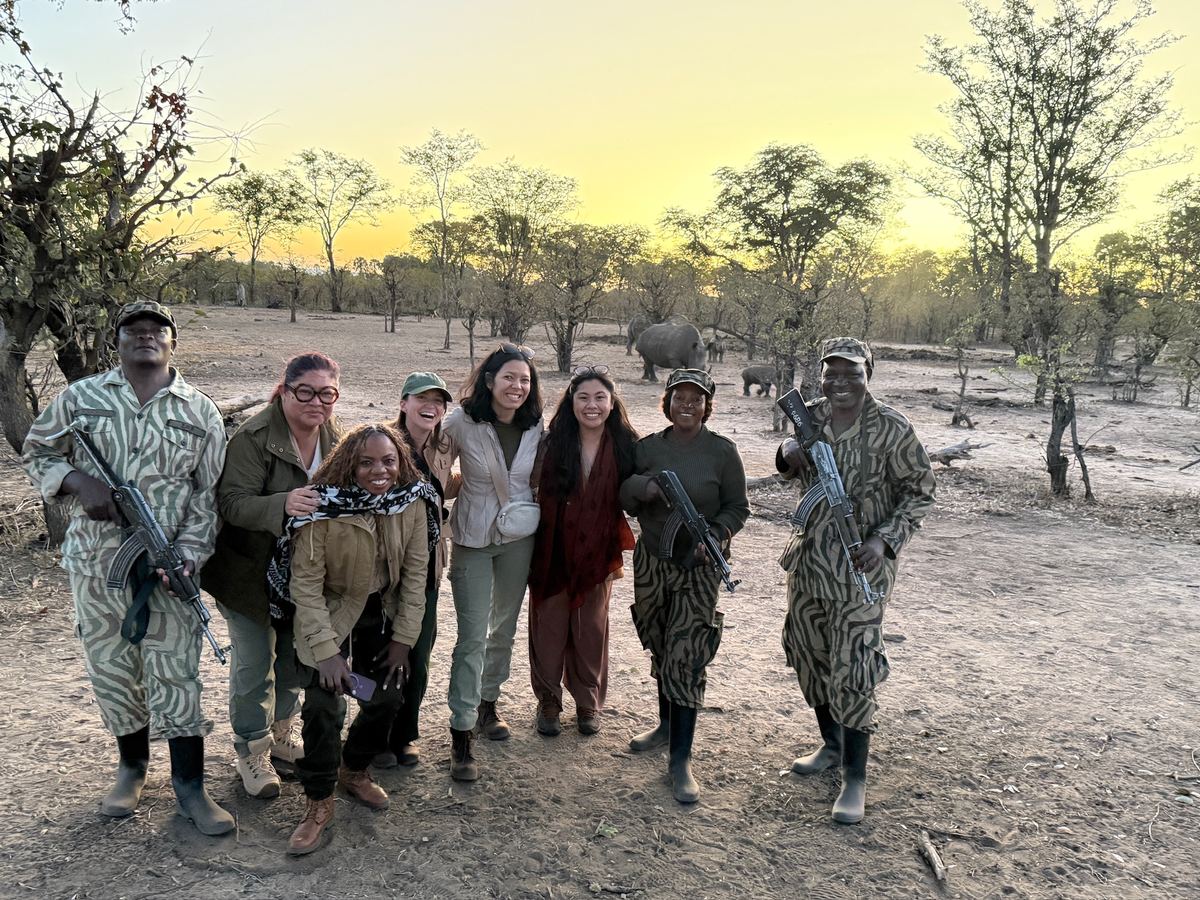
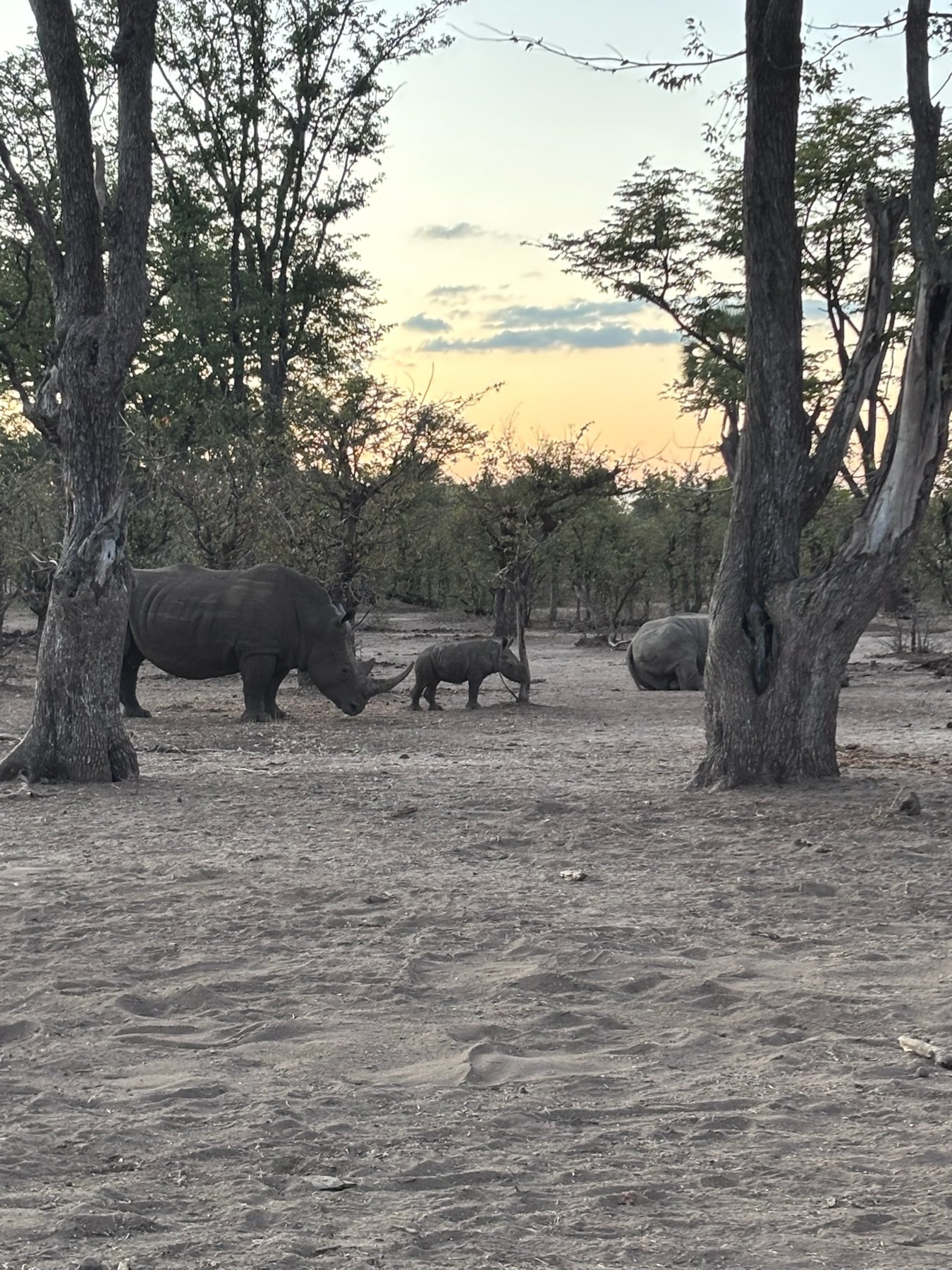
On the way back to Livingstone, our guide surprised us with a spur-of-the-moment rhino walk. We went into Mosi-oa-Tunya National Park after hours, so we had the whole place to ourselves, and walked with armed rangers to see Zambia’s 12 white rhinos, which are guarded around the clock to protect them from poachers.
The story behind these rhinos makes the walk even more meaningful. White rhinos were first brought to Mosi-oa-Tunya from South Africa in the 1960s, and the herd grew, but by 1989 poachers had killed every one of them. Zambia also lost its native black rhinos to poaching. The park has been rebuilding ever since, with new rhinos brought in from South Africa and calves now being born here. That’s why the rangers guard them day and night. You can read more about the history in this Daily Maverick story on Zambia’s rhinos.
We met the woman in charge of their safety, who told us the herd started with five rhinos given by South Africa for breeding. We even got to see a baby that was just three and a half weeks old. It was really special, and the perfect end to a long day.
Tips for a Chobe Day Trip
- Bring your passport with blank pages. You cross from Zambia into Botswana and back in one day, and if you’re also visiting Victoria Falls from Livingstone, you’ll cross borders a lot. Make sure you have at least two blank pages.
- Book a tour that handles the border. Ours picked us up at the hotel and took care of the crossing both ways, which made the day easy.
- Be ready to disinfect your shoes. At the Kazungula border, you’ll get out of the vehicle and step in a cleaning solution, so wear shoes you don’t mind getting a little wet.
- Carry US dollars. They’re widely accepted in Zambia, Zimbabwe, and Botswana, but bring small, clean, newer bills.
- Plan for malaria. Chobe is in a malaria area, so talk to your doctor before you go, and bring insect repellent and long sleeves for the evening.
- Wear neutral colors and layers. They’re best on safari, and winter mornings can start cool.
Chobe was our first safari of the trip. A few days later we spent two nights at Kings Camp next to Kruger, and it was fun to compare a day trip in a national park with a stay at a private reserve. Traveling with friends made the long day even better, which is a big part of why we love group travel.
Chobe Day Trip FAQs
Can you do a day trip to Chobe from Livingstone?
Yes. Our tour picked us up at our hotel in Livingstone, crossed the Kazungula border into Botswana, and brought us back the same day.
What can you see on a Chobe day trip?
We saw huge elephant herds, including more than 50 elephants crossing the river, plus impala, a fish eagle, and a leopard hiding in the brush.
Do you need a passport for a Chobe day trip?
Yes. You cross from Zambia into Botswana and back, so bring your passport with plenty of blank pages.
When is the best time to visit Chobe?
We went in late July, during the dry winter season, when animals gather near the river and are easier to spot.
Final Thoughts
Our Chobe day trip was such a full and amazing day. Watching more than 50 elephants cross the river is something I’ll never forget, and learning how Zambia is bringing its rhinos back made the trip even more meaningful.
If you’re staying in Livingstone, it’s an easy and worthwhile day to add to your itinerary.
Where Should We Go Next?
We’re planning the next Soul Sisters trip now. Tell us where you want to go, and while you’re here, read about our 10 days in Morocco.